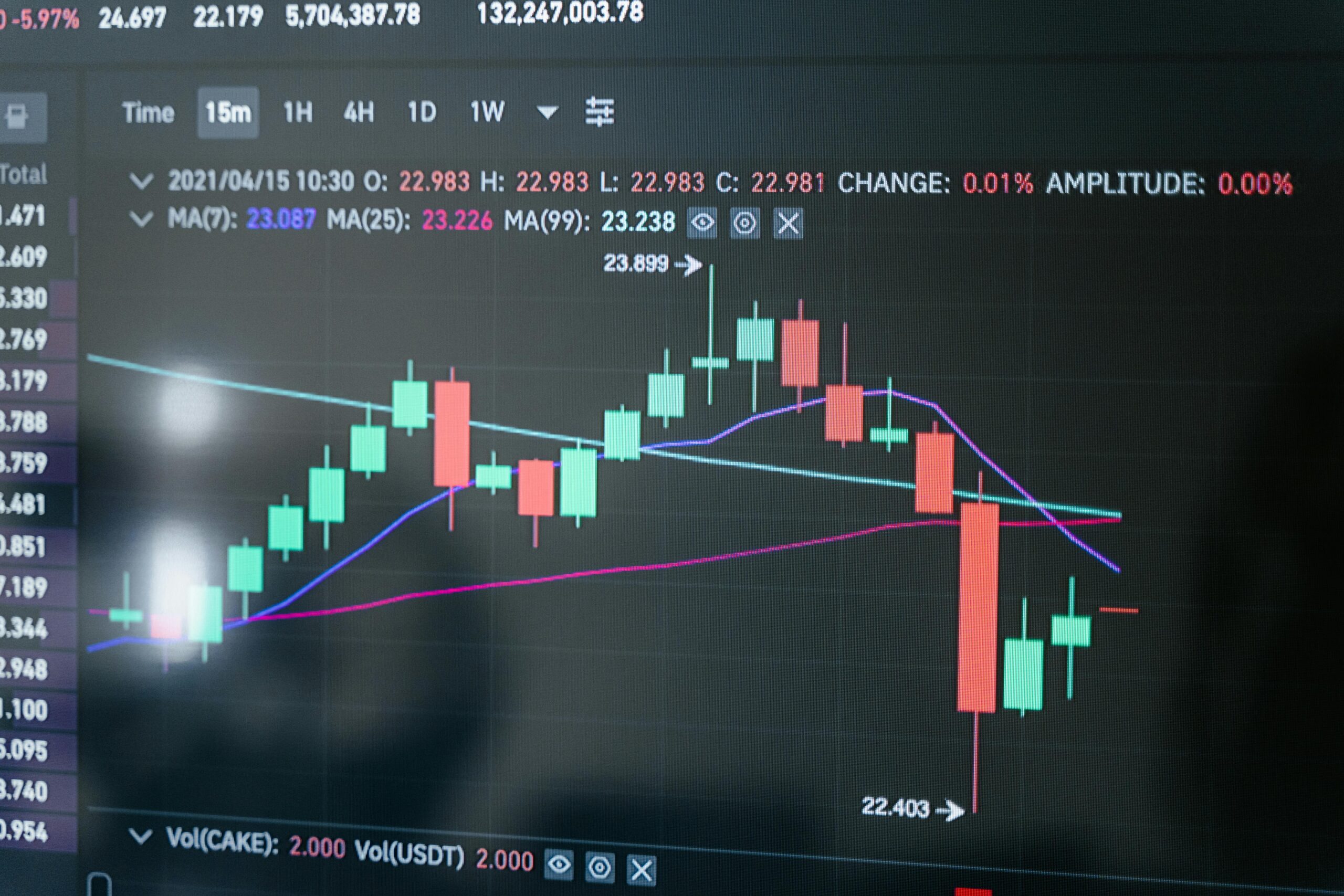
Blockchain technology has revolutionized how we perceive digital transactions, creating an immutable ledger that records every movement of value across decentralized networks.

Understanding the complex flows of on-chain assets requires sophisticated tools that transform raw blockchain data into actionable intelligence. As billions of dollars move through various blockchain networks daily, the ability to visualize these movements has become essential for investors, developers, regulators, and researchers seeking to understand market dynamics, detect anomalies, and make informed decisions in real-time.
🔍 The Growing Need for On-Chain Analytics
The explosion of blockchain adoption has created an unprecedented demand for transparency and insight into digital asset movements. Unlike traditional financial systems where transaction data remains siloed within institutional databases, blockchain technology offers a public ledger that anyone can access. However, raw blockchain data presents significant challenges for interpretation without proper analytical frameworks.
Every second, thousands of transactions occur across multiple blockchain networks, from Bitcoin and Ethereum to emerging layer-1 and layer-2 solutions. These transactions create complex patterns that reveal market sentiment, whale movements, protocol adoption rates, and potential security vulnerabilities. The challenge lies not in accessing this data, but in making sense of it efficiently.
Traditional data analysis methods prove inadequate when dealing with the volume, velocity, and complexity of blockchain data. This limitation has sparked innovation in visualization technologies specifically designed to map the pulse of blockchain ecosystems, transforming cryptographic addresses and transaction hashes into comprehensible visual narratives.
📊 Core Components of Dynamic Blockchain Visualization
Effective blockchain visualization systems rely on several interconnected components that work together to process, analyze, and display on-chain data. Understanding these foundational elements helps appreciate the sophistication required to create meaningful insights from blockchain networks.
Data Extraction and Indexing
The first critical component involves extracting data directly from blockchain nodes or through specialized API services. This process requires continuous synchronization with the blockchain state, ensuring that visualizations reflect the most current network conditions. Advanced indexing systems organize this data into queryable databases that enable rapid retrieval and analysis.
Blockchain explorers and analytics platforms employ sophisticated data pipelines that process blocks, transactions, smart contract events, and state changes in real-time. These systems must handle enormous data volumes while maintaining accuracy and minimizing latency between on-chain events and their visual representation.
Pattern Recognition and Analysis Engines
Raw transaction data becomes valuable only when analyzed through intelligent algorithms that identify patterns, relationships, and anomalies. Machine learning models trained on historical blockchain data can detect unusual activity, classify transaction types, and predict potential market movements based on on-chain behavior.
These analysis engines examine multiple dimensions simultaneously, including transaction volume, frequency, value distribution, address clustering, smart contract interactions, and temporal patterns. By correlating these variables, visualization platforms can highlight significant events before they manifest in market prices.
Interactive Visualization Interfaces
The final component translates analytical insights into visual formats that users can intuitively understand and explore. Modern blockchain visualization platforms employ various graphical representations, including network graphs, heat maps, flow diagrams, temporal charts, and geographical distributions.
Interactive features allow users to drill down into specific addresses, trace transaction paths, filter by time periods or value ranges, and customize displays according to their analytical needs. These interfaces must balance comprehensiveness with usability, presenting complex information without overwhelming the viewer.
💡 Key Metrics and Visualizations for Asset Flow Analysis
Different stakeholders require different perspectives on blockchain data. Understanding which metrics and visualization types serve specific analytical purposes helps users extract maximum value from on-chain data platforms.
Transaction Flow Diagrams
Sankey diagrams and chord diagrams excel at representing the movement of assets between addresses or protocols. These visualizations make visible the pathways that value takes through the blockchain ecosystem, revealing concentration points, distribution patterns, and intermediary nodes that facilitate large-scale movements.
Financial investigators use these diagrams to trace funds through multiple hops, identifying money laundering schemes or tracking stolen assets. Traders employ them to understand capital rotation between different protocols and identify emerging trends in DeFi liquidity flows.
Address Activity Heat Maps
Heat maps provide temporal and spatial representations of blockchain activity, highlighting periods of intense transaction activity or geographic concentrations of node operations. Color gradients immediately communicate relative intensity, allowing viewers to spot unusual patterns or confirm expected behaviors.
These visualizations prove particularly valuable for identifying coordinated activities, such as bot networks, exchange manipulation attempts, or institutional accumulation patterns that might indicate upcoming market movements.
Network Graph Representations
Network graphs display blockchain addresses as nodes with transactions as connecting edges, creating visual networks that reveal relationship structures within the ecosystem. Graph analysis algorithms can identify communities, central nodes with disproportionate influence, and isolated clusters that might represent distinct user groups.
Security researchers leverage network graphs to identify attack vectors or vulnerable smart contracts, while marketing analysts use them to understand user acquisition patterns and community growth dynamics.
🚀 Real-World Applications Transforming Industries
The practical applications of dynamic blockchain visualization extend across numerous sectors, each benefiting from enhanced transparency and analytical capabilities that on-chain data provides.
Institutional Investment Decision-Making
Cryptocurrency hedge funds and institutional investors increasingly rely on on-chain analytics to inform their trading strategies. Visualization platforms enable portfolio managers to monitor whale wallets, track smart money movements, and identify accumulation or distribution phases before they reflect in market prices.
By visualizing exchange inflows and outflows, institutions can anticipate selling pressure or accumulation trends. When large quantities of assets move from cold storage to exchanges, it often signals imminent selling activity, while reverse flows suggest long-term holding intentions.
Regulatory Compliance and Forensic Investigation
Regulatory bodies and law enforcement agencies employ blockchain visualization tools to combat financial crimes, including money laundering, terrorist financing, and tax evasion. The transparent nature of blockchain combined with sophisticated visualization makes it possible to trace criminal proceeds across multiple jurisdictions and platforms.
Compliance teams at cryptocurrency exchanges use these tools to screen transactions, identify high-risk counterparties, and maintain audit trails that satisfy regulatory requirements. Visualization capabilities significantly reduce the time required to investigate suspicious activity reports and compile evidence for legal proceedings.
DeFi Protocol Optimization
Decentralized finance protocols generate enormous quantities of on-chain data related to liquidity provision, borrowing, lending, and token swaps. Protocol developers use visualization platforms to understand user behavior, identify inefficiencies, and optimize incentive structures.
By visualizing liquidity flows between different pools and protocols, DeFi teams can detect capital inefficiencies, predict impermanent loss scenarios, and design mechanisms that attract and retain liquidity providers. These insights directly impact protocol competitiveness and sustainability.
NFT Market Intelligence
The non-fungible token ecosystem benefits significantly from visualization tools that track ownership transfers, identify influential collectors, and reveal wash trading or manipulation schemes. Marketplace operators and collectors use these insights to assess collection authenticity and market health.
Visualization platforms can display provenance chains, showing the complete ownership history of individual NFTs and highlighting pieces that passed through notable collections. This transparency increases buyer confidence and helps establish fair market values.
⚡ Technical Challenges in Real-Time Visualization
Creating effective blockchain visualization systems presents numerous technical challenges that developers must overcome to deliver reliable, performant, and accurate solutions.
Scalability and Performance Optimization
Blockchain networks process transactions continuously, generating data at rates that challenge traditional database and visualization systems. Ethereum alone processes over one million transactions daily, with each transaction containing multiple data points requiring analysis and potential visualization.
High-performance visualization platforms employ distributed computing architectures, caching strategies, and progressive rendering techniques to maintain responsiveness even when processing massive datasets. Balancing comprehensiveness with performance requires careful optimization and intelligent data aggregation strategies.
Data Accuracy and Consistency
Blockchain reorganizations, network forks, and the probabilistic finality of certain consensus mechanisms introduce complexities for visualization accuracy. Systems must account for these possibilities and update visualizations accordingly when blockchain state changes occur.
Cross-chain analysis compounds these challenges, as different blockchains operate with varying block times, finality mechanisms, and data structures. Unified visualization platforms must normalize these differences while preserving the unique characteristics of each network.
Privacy and Anonymity Considerations
While blockchain transparency benefits analysis, it also raises privacy concerns that visualization platforms must address responsibly. Techniques like address clustering can de-anonymize users who value privacy, creating ethical dilemmas for platform operators.
Privacy-focused blockchains employing zero-knowledge proofs or confidential transactions present unique visualization challenges, as critical transaction details remain encrypted. Developers must innovate new approaches that provide useful insights without compromising the privacy guarantees these networks promise.
🌐 The Future Landscape of Blockchain Visualization
As blockchain technology matures and adoption accelerates, visualization capabilities will continue evolving to meet emerging needs and leverage technological advances in artificial intelligence, virtual reality, and quantum computing.
Artificial Intelligence Integration
Next-generation visualization platforms will incorporate advanced AI models that automatically identify significant patterns, generate natural language explanations of complex on-chain events, and provide predictive insights based on historical data analysis.
Machine learning algorithms will personalize visualization experiences, learning individual user preferences and automatically surfacing the most relevant information for specific use cases. Anomaly detection systems will flag suspicious activities with increasing accuracy, reducing false positives that currently burden compliance teams.
Immersive Three-Dimensional Environments
Virtual and augmented reality technologies promise to revolutionize how users interact with blockchain data. Three-dimensional visualization environments can represent complex multi-dimensional relationships more intuitively than traditional flat displays, enabling users to literally walk through blockchain networks.
Immersive environments particularly benefit educational applications, allowing students and newcomers to explore blockchain concepts through interactive experiences that make abstract cryptographic principles tangible and comprehensible.
Cross-Chain Unified Analysis
The multi-chain future of blockchain requires visualization tools that seamlessly integrate data across numerous networks, providing unified perspectives on asset movements that span multiple ecosystems. Bridge protocols and cross-chain messaging systems create complex transaction paths that current single-chain visualizations cannot adequately represent.
Future platforms will map these interconnected ecosystems holistically, tracking assets as they move between layer-1 networks, layer-2 scaling solutions, sidechains, and cross-chain bridges, providing complete visibility into the increasingly complex blockchain landscape.
🎯 Maximizing Value from Visualization Platforms
Users can optimize their experience with blockchain visualization tools by following best practices that enhance analytical effectiveness and ensure accurate interpretation of displayed data.
Establishing Clear Analytical Objectives
Before diving into complex visualizations, users should define specific questions they seek to answer. Whether investigating potential investments, monitoring protocol health, or conducting forensic analysis, clear objectives guide which metrics to examine and how to configure visualization parameters.
Different questions require different visualization approaches. Trend analysis benefits from temporal charts, relationship mapping requires network graphs, and value distribution analysis employs heat maps or histogram representations.
Combining Multiple Data Sources
The most robust insights emerge from correlating on-chain data with off-chain information sources. Combining blockchain visualizations with social media sentiment analysis, traditional market data, and news feeds creates comprehensive intelligence that single-source analysis cannot achieve.
Experienced analysts develop systematic approaches that integrate multiple perspectives, using blockchain data as one component within broader analytical frameworks that account for regulatory developments, technological innovations, and macroeconomic trends.
Maintaining Healthy Skepticism
While visualization platforms provide powerful analytical capabilities, users must remember that correlation does not imply causation and that on-chain data represents only part of the complete picture. Large transactions might indicate market manipulation or simply represent internal exchange wallet consolidation.
Critical thinking remains essential when interpreting visualizations. Understanding the limitations of specific metrics, recognizing potential data artifacts, and validating insights through multiple independent sources protects against misinterpretation that could lead to costly mistakes.
🔮 Emerging Trends Reshaping On-Chain Analysis
The blockchain visualization landscape continues evolving rapidly, with several emerging trends poised to significantly impact how stakeholders interact with on-chain data in coming years.
Decentralized Analytics Platforms
Centralized analytics platforms create potential censorship and access control issues that contradict blockchain’s decentralization ethos. Emerging projects aim to decentralize analytics infrastructure itself, creating permissionless platforms where anyone can contribute data processing capacity and access insights without intermediaries.
These decentralized systems employ tokenomic incentives to reward data providers, analysts who create valuable queries, and node operators who maintain infrastructure, creating sustainable ecosystems aligned with broader blockchain principles.
Real-Time Alert and Automation Systems
Passive visualization gives way to proactive monitoring systems that automatically alert users when specific on-chain conditions occur. Traders configure alerts for large whale movements, developers receive notifications when smart contract vulnerabilities are exploited, and compliance teams get flagged when suspicious patterns emerge.
Integration with automated trading systems allows on-chain signals to trigger immediate responses, from portfolio rebalancing to liquidity provision adjustments, enabling strategies that capitalize on fleeting opportunities that manual monitoring would miss.
Democratization Through User-Friendly Interfaces
Early blockchain analytics required technical expertise to interpret complex data and configure analytical queries. Modern platforms prioritize accessibility, offering intuitive interfaces that make sophisticated analysis available to non-technical users through preset templates, natural language queries, and guided exploration workflows.
This democratization expands the audience for blockchain analytics beyond professional traders and developers to include retail investors, journalists, academics, and curious individuals seeking to understand the technology reshaping global finance.
🎓 Educational Impact and Knowledge Distribution
Visualization tools serve crucial educational functions, helping new blockchain participants understand network mechanics, transaction flows, and ecosystem dynamics through visual learning that complements technical documentation.
Educational institutions incorporate blockchain visualization platforms into curricula, providing students hands-on experience analyzing real-world data. These practical exercises develop analytical skills while demystifying blockchain technology through direct observation of network behavior.
Open-source visualization projects foster community collaboration, with developers worldwide contributing improvements, creating specialized tools for niche applications, and sharing analytical methodologies that advance collective understanding of blockchain ecosystems.

💼 Building Competitive Advantages Through Data Mastery
Organizations that master blockchain visualization gain significant competitive advantages in increasingly data-driven markets. Early adoption of sophisticated analytics separates industry leaders from followers struggling with information asymmetry.
Investment firms employing advanced on-chain analysis consistently outperform competitors relying solely on traditional market indicators. DeFi protocols that deeply understand user behavior through visualization insights design superior products that capture market share. Regulatory bodies with robust analytics capabilities enforce compliance more effectively while fostering innovation through informed policy development.
The competitive landscape increasingly rewards those who transform blockchain’s transparency into actionable intelligence, making visualization expertise an essential capability rather than optional enhancement.
As blockchain technology continues its inexorable march toward mainstream adoption, the ability to map, understand, and act upon on-chain asset flows becomes increasingly critical across industries and applications. Dynamic visualization transforms opaque cryptographic data into clear insights that drive better decisions, enhance security, and unlock new possibilities within decentralized ecosystems. The organizations, individuals, and communities that invest in mastering these analytical capabilities position themselves at the forefront of the blockchain revolution, equipped to navigate complexity and capitalize on opportunities hidden within the immutable ledger’s transparent depths.