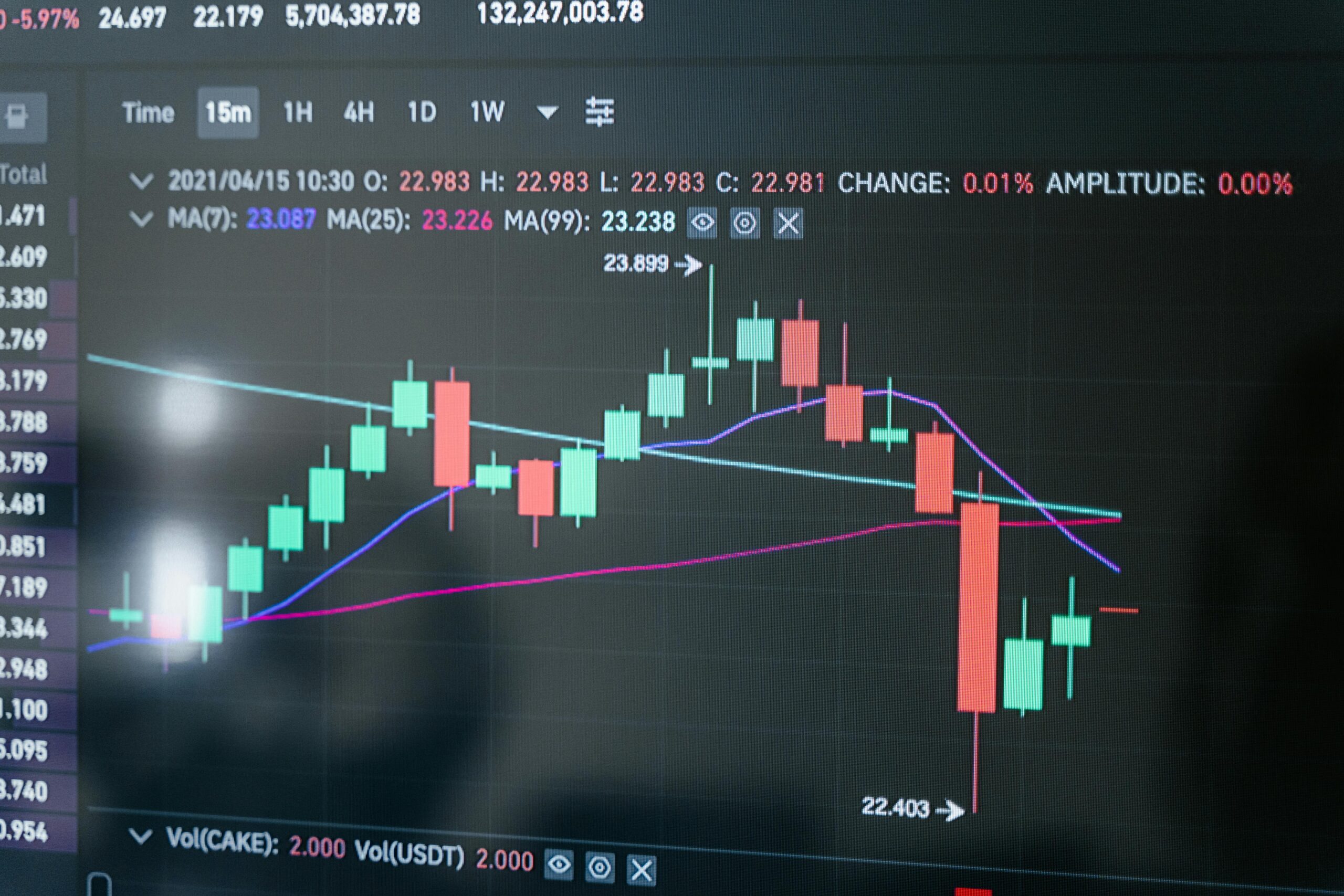
The cryptocurrency trading landscape is evolving at breakneck speed, demanding infrastructure that can keep pace with millions of transactions per second. Layer-2 solutions have emerged as the game-changing technology that addresses blockchain scalability challenges while maintaining security and decentralization.

Traditional blockchain networks face significant bottlenecks when processing high-frequency trades, resulting in sluggish confirmation times and prohibitive transaction fees. These limitations have pushed innovative developers and trading platforms to embrace Layer-2 protocols that operate above the base blockchain layer, delivering lightning-fast execution without compromising on fundamental blockchain principles.
🚀 Understanding the Layer-2 Revolution in Trading
Layer-2 solutions represent a paradigm shift in how blockchain transactions are processed and validated. Rather than burdening the main blockchain with every single trade, these protocols batch transactions off-chain or through sidechains, then periodically settle aggregated results on the main network. This architectural approach drastically reduces congestion while exponentially increasing throughput.
For traders, this technological advancement translates into tangible benefits: near-instantaneous trade execution, minimal gas fees, and the ability to capitalize on fleeting market opportunities. Whether you’re a day trader executing dozens of positions hourly or an algorithmic trader running high-frequency strategies, Layer-2 infrastructure provides the performance backbone your operations demand.
The Core Technologies Powering Layer-2 Efficiency
Several distinct Layer-2 approaches have gained traction in the trading ecosystem, each offering unique advantages. State channels enable participants to conduct unlimited off-chain transactions, only touching the main blockchain when opening or closing the channel. This method works exceptionally well for repeated interactions between known parties.
Rollups have emerged as another powerful solution, bundling hundreds of transactions into a single batch that gets posted to the main chain. Optimistic rollups assume transactions are valid by default, challenging them only when disputes arise, while zero-knowledge rollups use cryptographic proofs to guarantee validity without revealing transaction details.
Sidechains operate as independent blockchains with their own consensus mechanisms, periodically synchronizing with the main chain through bridge protocols. This architecture allows for customized parameters optimized specifically for trading activities, such as faster block times and specialized smart contract functionality.
⚡ Speed That Matches Market Velocity
In cryptocurrency markets where prices fluctuate by significant percentages within minutes, transaction speed isn’t just a convenience—it’s a competitive necessity. Layer-2 solutions deliver transaction finality measured in milliseconds rather than minutes, enabling traders to respond instantaneously to market movements.
Traditional Layer-1 networks like Ethereum can process approximately 15-30 transactions per second during optimal conditions. Layer-2 implementations routinely achieve throughput exceeding 2,000 transactions per second, with some optimized systems reaching tens of thousands. This performance leap transforms trading possibilities.
Real-World Performance Metrics
Leading decentralized exchanges built on Layer-2 infrastructure demonstrate remarkable performance improvements. Users report trade execution times under 500 milliseconds, compared to 15-60 seconds on Layer-1 implementations. This responsiveness enables strategies that were previously impossible on blockchain networks.
The latency reduction extends beyond simple swaps. Complex multi-leg strategies, arbitrage opportunities, and automated market-making operations all benefit from the enhanced speed. Traders can now execute sophisticated strategies with confidence that orders will complete before market conditions shift unfavorably.
💰 Cost Efficiency That Transforms Profitability
Transaction fees represent a significant drag on trading profitability, especially for active traders and smaller-sized positions. During peak network congestion, Layer-1 gas fees can exceed $50-100 per transaction, making frequent trading economically unviable for all but the largest positions.
Layer-2 solutions reduce these costs by orders of magnitude. Typical transaction fees on optimized Layer-2 networks range from $0.01 to $0.50, regardless of network congestion on the underlying blockchain. This cost structure makes micro-trading, portfolio rebalancing, and experimental strategies financially feasible.
Breaking Down the Economics
Consider a trader executing 50 trades daily. On a congested Layer-1 network with average fees of $30 per transaction, daily costs reach $1,500 or $45,000 monthly. The same activity on Layer-2 infrastructure might cost $25 daily or $750 monthly—a 98% reduction that directly enhances net returns.
For algorithmic traders running high-frequency strategies, the economics become even more compelling. Strategies requiring hundreds or thousands of daily transactions become profitable only when execution costs approach negligible levels, making Layer-2 infrastructure not just advantageous but essential.
🔒 Maintaining Security While Scaling Performance
A common misconception suggests that Layer-2 solutions sacrifice security for performance. In reality, properly implemented Layer-2 protocols inherit the security guarantees of their underlying Layer-1 blockchain while adding additional protective mechanisms specific to their architecture.
Rollup-based solutions, for instance, post transaction data to the main chain, ensuring that even if the Layer-2 system experiences issues, users can reconstruct their positions and withdraw funds directly from Layer-1. This design principle, called “data availability,” ensures users never lose access to their assets.
Security Considerations for Traders
Different Layer-2 implementations offer varying security trade-offs. Optimistic rollups benefit from a challenge period during which transactions can be disputed, providing robust fraud prevention. Zero-knowledge rollups offer mathematical proofs of validity, eliminating the need for challenge periods while maintaining absolute correctness guarantees.
When selecting trading platforms, understanding these security models helps traders assess risk appropriately. Established Layer-2 networks with significant total value locked and extended operating histories demonstrate proven security track records, while newer implementations may offer enhanced features alongside less battle-tested code.
🎯 Choosing the Right Layer-2 Solution for Your Trading Style
Not all Layer-2 solutions suit every trading approach. Day traders prioritizing absolute speed might favor different infrastructure than long-term investors focused on minimizing withdrawal times to Layer-1. Understanding your specific requirements guides optimal platform selection.
High-frequency traders benefit most from solutions offering the fastest finality and lowest latency, even if withdrawal times to the main chain extend slightly longer. Conversely, traders who frequently move assets between Layer-1 and Layer-2 should prioritize solutions with streamlined bridging processes and minimal waiting periods.
Evaluating Layer-2 Trading Platforms
- Transaction throughput: Verify the platform handles sufficient volume during peak trading periods without degradation
- Fee structure: Compare not just trading fees but also deposit, withdrawal, and cross-chain transfer costs
- Liquidity depth: Assess available liquidity for your target trading pairs to minimize slippage
- Bridge reliability: Test deposit and withdrawal processes to understand typical completion times
- Security audit history: Review third-party security assessments and operational track record
- Developer activity: Active development signals ongoing improvements and responsive maintenance
🌐 The Ecosystem of Layer-2 Trading Solutions
The Layer-2 landscape features numerous competing and complementary solutions, each carving out specialized niches. Polygon has established itself as an early mover with extensive decentralized application support and substantial institutional adoption. Arbitrum and Optimism lead the Ethereum rollup space, offering EVM compatibility that simplifies developer migration.
Newer entrants like zkSync and StarkNet leverage zero-knowledge proof technology for enhanced privacy and efficiency. Meanwhile, application-specific chains like dYdX’s Layer-2 implementation demonstrate how specialized infrastructure can optimize for particular use cases like derivatives trading.
Cross-Chain Considerations
Modern trading often involves assets across multiple chains and Layer-2 networks. Bridge protocols facilitate these transfers, though they introduce additional considerations around transfer times, fees, and security. Some platforms offer native cross-chain swap functionality, eliminating intermediate steps and associated risks.
Traders operating across multiple Layer-2 solutions benefit from portfolio management tools that aggregate positions and provide unified interfaces. These platforms simplify tracking performance and managing risk when assets distribute across various networks and protocols.
📊 Performance Optimization Strategies
Even on high-performance Layer-2 infrastructure, traders can implement strategies to maximize efficiency. Batching transactions when possible reduces cumulative fees, while timing operations during lower-activity periods can further minimize costs on networks with dynamic fee structures.
Understanding the specific confirmation mechanisms of your chosen Layer-2 solution enables better order timing. Some protocols offer immediate soft confirmations suitable for most trading activities, with final settlement occurring later. Recognizing this distinction helps optimize entry and exit timing.
Advanced Trading Techniques on Layer-2
The low-cost, high-speed environment of Layer-2 networks enables trading strategies impractical on Layer-1. Grid trading, where numerous small orders capture volatility across price ranges, becomes economically viable. Dollar-cost averaging with frequent small purchases incurs negligible fees compared to Layer-1 implementations.
Arbitrage opportunities also expand significantly. The ability to execute multi-leg trades rapidly and cheaply allows capturing smaller price discrepancies that would be unprofitable after accounting for Layer-1 gas fees. This efficiency contributes to overall market health through improved price discovery.
🔮 The Future of Trading Infrastructure
Layer-2 technology continues evolving rapidly, with emerging innovations promising even greater performance. Data availability sampling, improved compression algorithms, and hardware acceleration will push transaction throughput into hundreds of thousands per second within the next few years.
Interoperability protocols will mature, enabling seamless asset movement between Layer-2 solutions without touching expensive Layer-1 bridges. This development will create a unified trading environment where liquidity flows freely across protocols, enhancing efficiency and reducing fragmentation.
Preparing for the Next Generation
Forward-thinking traders should familiarize themselves with emerging Layer-2 technologies while they remain in testing phases. Early adoption of proven next-generation solutions offers competitive advantages through access to superior infrastructure, potential token incentives, and deeper understanding of platform mechanics.
Educational resources, developer documentation, and community forums provide valuable insights into upcoming releases and feature roadmaps. Maintaining awareness of this technological frontier positions traders to capitalize on infrastructure improvements as they deploy.
💡 Practical Implementation for Traders
Transitioning to Layer-2 trading requires some initial setup but delivers immediate benefits. Begin by selecting one or two established Layer-2 solutions supporting your preferred trading pairs. Create wallets specifically for Layer-2 operations, keeping them separate from long-term storage for security compartmentalization.
Start with small test transactions to familiarize yourself with the deposit, trading, and withdrawal processes. Each Layer-2 solution has unique characteristics, and hands-on experience builds confidence in the infrastructure. Document completion times and costs to establish baseline expectations.
Building Your Layer-2 Trading Stack
Successful Layer-2 trading involves more than just connecting a wallet to a decentralized exchange. Consider assembling a comprehensive toolkit including portfolio trackers supporting Layer-2 positions, gas fee estimators that include Layer-2 options, and analytics platforms providing Layer-2-specific market data.
Many mobile applications now offer integrated Layer-2 support, enabling trading from anywhere with the same low fees and fast execution. These tools democratize access to sophisticated infrastructure previously available only through desktop interfaces and complex technical configurations.

🎓 Maximizing Your Layer-2 Trading Success
The transition to Layer-2 infrastructure represents more than a technical upgrade—it fundamentally expands what’s possible in decentralized trading. The combination of speed, affordability, and security creates an environment where traders compete on strategy and market understanding rather than who can afford the highest gas fees.
Success in this new paradigm requires continuous learning and adaptation. Layer-2 technology evolves rapidly, with regular protocol upgrades, new platform launches, and changing competitive dynamics. Traders who maintain awareness of these developments and adjust their approaches accordingly will consistently outperform those relying on static strategies.
Risk management principles remain paramount regardless of infrastructure improvements. While Layer-2 solutions dramatically reduce execution costs and delays, they don’t eliminate market risk, volatility, or the potential for poor trade selection. Sophisticated infrastructure enables more efficient implementation of sound trading strategies but cannot compensate for fundamental analytical shortcomings.
Your Roadmap to Enhanced Trading Performance
Begin your Layer-2 journey by auditing your current trading approach and identifying pain points that these solutions address. Calculate how much you currently spend on transaction fees and estimate potential savings. Quantify how many profitable opportunities you’ve missed due to slow execution times or high costs.
Develop a migration plan that gradually shifts activity to Layer-2 platforms while maintaining some Layer-1 presence for specific use cases. This hybrid approach allows learning and adaptation without committing entirely to new infrastructure before achieving comfort with its operation.
The cryptocurrency trading landscape rewards early adopters of transformative technology. Layer-2 solutions represent one of the most significant infrastructure improvements since the inception of decentralized exchanges, offering quantifiable advantages in speed, cost, and scalability. Traders who embrace these solutions position themselves at the forefront of a rapidly evolving ecosystem, equipped with tools that transform trading from a test of patience and deep pockets into a pure competition of strategy and insight.