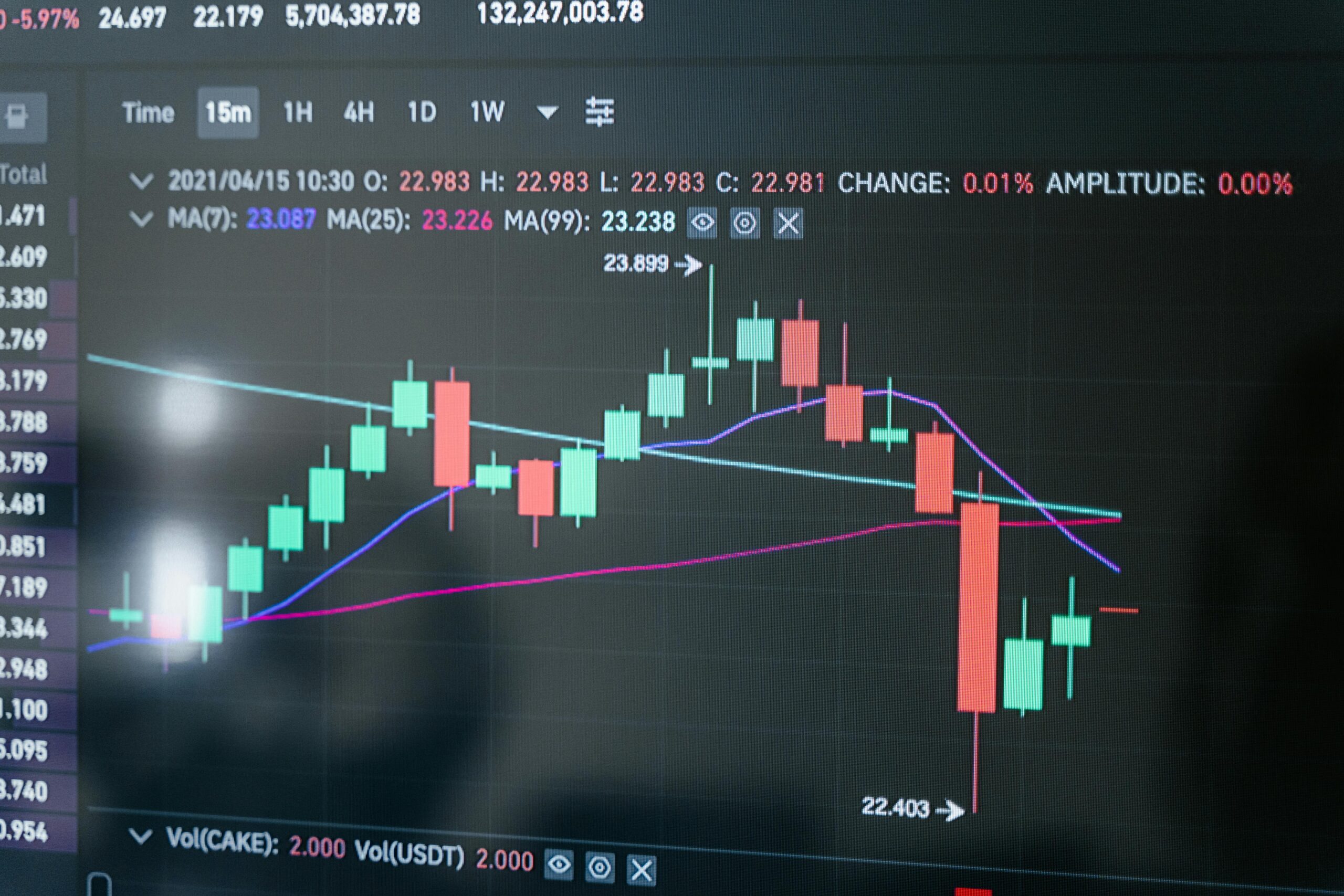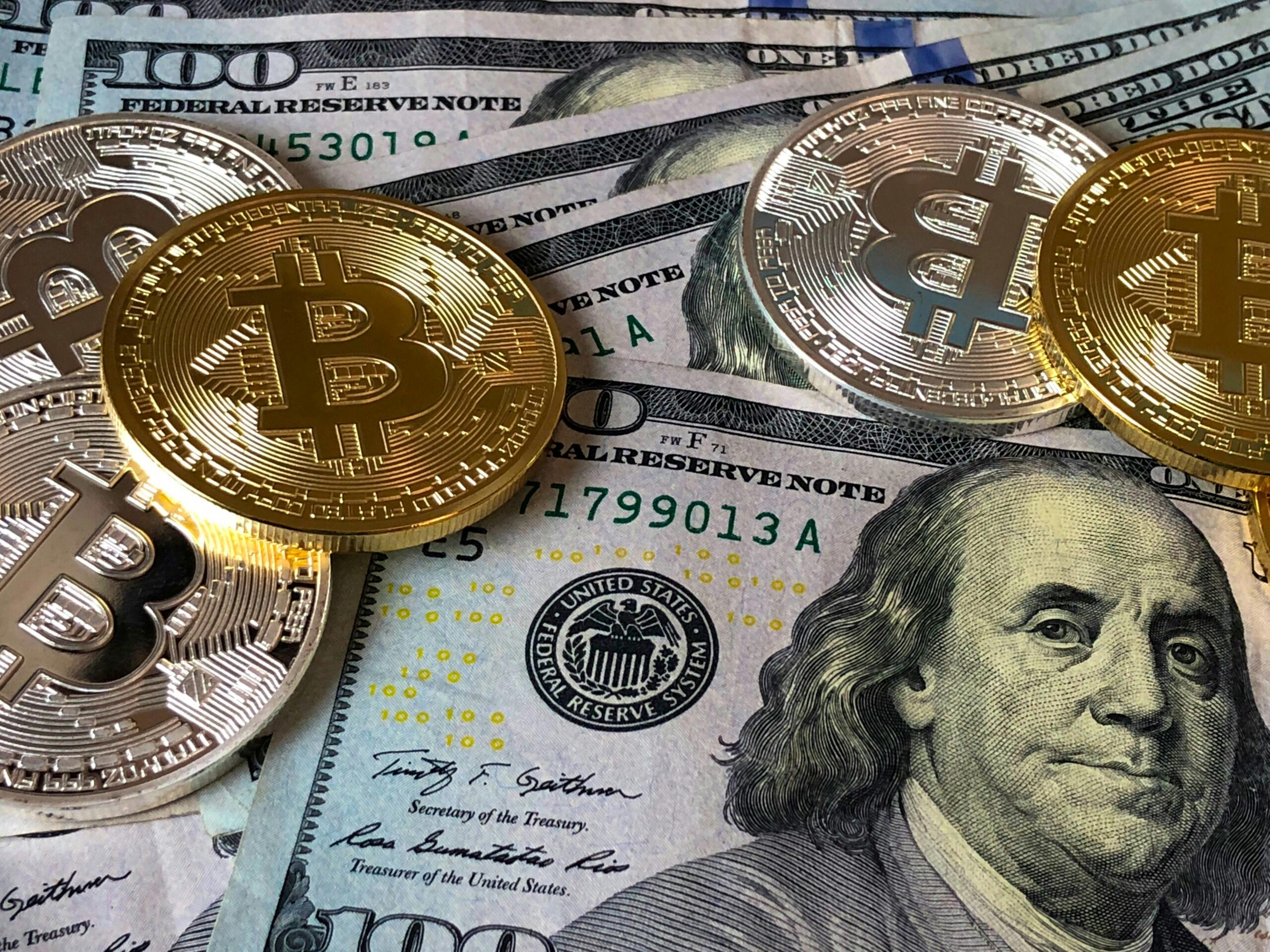
The financial landscape is evolving rapidly, and digital assets have emerged as a powerful tool for investors seeking to maximize returns while managing risk. Understanding how to incorporate these modern investment vehicles into your portfolio can be the difference between stagnation and significant wealth accumulation.

Portfolio diversification has long been considered the cornerstone of smart investing, but the digital revolution has opened entirely new avenues for achieving optimal asset allocation. Today’s investors have unprecedented opportunities to blend traditional investments with innovative digital assets, creating robust portfolios designed for the future.
🚀 Understanding the Fundamentals of Portfolio Diversification
Portfolio diversification is more than just spreading your money across different investments. It’s a strategic approach to balancing risk and reward by allocating capital across various asset classes, sectors, and geographical regions. The primary goal is to reduce exposure to any single point of failure while maximizing potential returns over time.
Traditional diversification typically involved stocks, bonds, real estate, and commodities. However, the digital age has introduced cryptocurrencies, tokenized assets, NFTs, and decentralized finance (DeFi) instruments that offer entirely new diversification opportunities. These digital assets operate independently from traditional markets, providing correlation benefits that can significantly enhance portfolio performance.
The fundamental principle remains unchanged: don’t put all your eggs in one basket. However, the baskets available today are far more varied and sophisticated than ever before. Understanding how digital assets fit into this framework is essential for modern investors seeking competitive advantages.
💡 Why Digital Assets Matter in Modern Portfolio Construction
Digital assets have demonstrated their staying power and legitimacy as an investment class. Major financial institutions, corporations, and even governments now recognize cryptocurrencies and blockchain-based assets as viable investment options. This institutional adoption has brought increased liquidity, regulatory clarity, and market maturity.
The correlation between digital assets and traditional markets remains relatively low, particularly during specific market conditions. This low correlation means that when traditional stocks or bonds experience downturns, digital assets may perform independently, providing a cushion against portfolio losses. This characteristic alone makes them valuable diversification tools.
Beyond cryptocurrencies, the digital asset ecosystem includes tokenized real estate, commodities, art, and other traditionally illiquid assets. These innovations democratize access to investment opportunities previously reserved for wealthy individuals or institutional investors, allowing everyday investors to build truly diversified portfolios.
The Evolution of Digital Asset Investment
The journey from Bitcoin’s inception to today’s sophisticated digital asset ecosystem has been remarkable. Early adopters took significant risks, but the landscape has matured considerably. Regulatory frameworks are developing worldwide, bringing legitimacy and investor protection to the space.
Today’s digital asset markets offer professional-grade trading platforms, custody solutions, and investment products including ETFs, futures, and options. This infrastructure development has reduced barriers to entry and made digital assets accessible to mainstream investors seeking portfolio diversification.
📊 Strategic Approaches to Incorporating Digital Assets
Integrating digital assets into your portfolio requires thoughtful planning and risk assessment. The allocation percentage should reflect your risk tolerance, investment timeline, and overall financial goals. Conservative investors might allocate 5-10% to digital assets, while more aggressive portfolios could dedicate 20-30% or more.
A balanced approach might include established cryptocurrencies like Bitcoin and Ethereum as core holdings, complemented by carefully selected altcoins, DeFi tokens, or tokenized assets. This multi-layered strategy within the digital asset space provides diversification even within this single asset class.
Building Your Digital Asset Allocation Framework
Start by assessing your current portfolio composition. Identify overexposures, underweighted sectors, and opportunities for improved diversification. Digital assets can fill gaps in your portfolio, particularly in growth-oriented or inflation-hedge categories.
Consider implementing a tiered approach with three layers: foundation assets (major cryptocurrencies), growth assets (promising blockchain projects), and speculative positions (emerging tokens or NFT projects). This structure provides stability while allowing participation in high-growth opportunities.
Dollar-cost averaging is particularly effective for digital asset accumulation. Rather than timing the market, systematic investment at regular intervals reduces volatility impact and removes emotional decision-making from the equation. This disciplined approach has proven successful across market cycles.
🔒 Risk Management Strategies for Digital Asset Portfolios
While digital assets offer tremendous opportunities, they also present unique risks including volatility, regulatory uncertainty, and technological vulnerabilities. Effective risk management is non-negotiable for investors seeking sustainable long-term returns.
Position sizing is your first line of defense. Never invest more in digital assets than you can afford to lose completely. This conservative approach allows you to participate in upside potential without jeopardizing your financial security if markets turn unfavorable.
Security considerations are paramount in the digital asset space. Use reputable exchanges, enable two-factor authentication, and consider hardware wallets for significant holdings. The decentralized nature of cryptocurrencies means you bear responsibility for asset security—there’s no customer service number to call if you lose access.
Monitoring and Rebalancing Your Portfolio
Digital assets’ volatility means your portfolio allocation can shift dramatically over short periods. Regular monitoring and rebalancing ensure your risk exposure remains aligned with your investment strategy. Quarterly or semi-annual rebalancing is typically sufficient, though major market movements may warrant more frequent adjustments.
Establish clear criteria for rebalancing: percentage thresholds that trigger action or calendar-based reviews. This systematic approach prevents emotional reactions to market fluctuations while maintaining your desired asset allocation over time.
🌐 Exploring Different Digital Asset Categories
The digital asset universe extends far beyond Bitcoin. Understanding various categories helps you build a truly diversified digital portfolio that captures different value propositions and growth drivers.
Layer-1 blockchains like Ethereum, Cardano, and Solana represent fundamental infrastructure investments. These platforms host decentralized applications and smart contracts, creating ecosystems that generate value through network effects and utility. As adoption grows, these foundational assets may appreciate significantly.
DeFi tokens provide exposure to decentralized financial services including lending, borrowing, and trading protocols. These projects challenge traditional financial intermediaries, potentially capturing significant market share as the technology matures and regulatory frameworks develop.
Tokenized Real-World Assets
Tokenization brings traditional assets onto blockchain networks, creating fractional ownership opportunities and enhanced liquidity. Real estate, commodities, and even fine art can now be purchased in small increments, allowing investors to diversify across asset classes previously inaccessible due to high minimum investments.
These tokenized assets combine the benefits of blockchain technology—transparency, efficiency, and accessibility—with the stability and familiarity of traditional investments. They represent a bridge between conventional and digital finance, offering comfortable entry points for traditional investors exploring digital assets.
📈 Maximizing Growth Potential Through Strategic Selection
Identifying high-quality digital asset investments requires research, due diligence, and understanding of both technology and market dynamics. Look for projects with strong development teams, clear use cases, active communities, and realistic roadmaps for achieving their goals.
Network adoption metrics provide valuable insights into project viability. Active addresses, transaction volumes, and developer activity indicate real-world usage rather than pure speculation. Projects demonstrating consistent growth in these areas typically outperform over longer time horizons.
Tokenomics—the economic model governing a digital asset—significantly impacts long-term value potential. Understand supply schedules, inflation rates, token utility, and incentive structures. Well-designed tokenomics align stakeholder interests and create sustainable value accrual mechanisms.
Leveraging Professional Tools and Platforms
Sophisticated portfolio management tools have emerged to help investors track, analyze, and optimize their digital asset holdings. These platforms aggregate data from multiple exchanges and wallets, providing comprehensive portfolio visibility and performance analytics.
Tax reporting tools specifically designed for digital assets simplify compliance by tracking cost basis, calculating gains and losses, and generating tax reports. Given the complexity of cryptocurrency taxation, these tools are invaluable for maintaining accurate records and fulfilling regulatory obligations.
🎯 Common Mistakes to Avoid in Digital Asset Diversification
Over-diversification diminishes returns without proportionally reducing risk. Holding dozens of obscure tokens spreads resources too thin and creates management challenges. Focus on quality over quantity, selecting 10-15 well-researched positions rather than 50 random speculations.
FOMO (fear of missing out) drives poor investment decisions. Chasing rapidly appreciating assets often results in buying near peaks, followed by painful corrections. Stick to your investment thesis and diversification strategy rather than reacting to short-term market movements or social media hype.
Ignoring fundamental analysis is another critical mistake. While technical analysis has its place, understanding the underlying technology, team, market opportunity, and competitive positioning provides crucial context for investment decisions. Purely chart-based investing in digital assets is essentially gambling.
The Importance of Continuous Learning
The digital asset space evolves rapidly. Technologies that seem revolutionary today may become obsolete tomorrow. Commit to ongoing education through reputable sources, community engagement, and regular portfolio reviews that incorporate new market developments and technological innovations.
Follow thought leaders, read whitepapers, participate in community discussions, and attend virtual conferences. This immersion keeps you informed about emerging trends, potential risks, and new opportunities that could enhance your portfolio diversification strategy.
🌟 Building Long-Term Wealth with Balanced Portfolios
Successful investing is a marathon, not a sprint. Digital assets offer extraordinary growth potential, but sustainable wealth creation requires patience, discipline, and adherence to sound diversification principles. Short-term volatility is the price of admission for long-term gains.
Maintain perspective during market cycles. Bull markets create euphoria and unrealistic expectations, while bear markets generate fear and capitulation. Your diversified portfolio should be designed to withstand both extremes, providing stability through turbulent periods and participation during growth phases.
Consider your digital asset holdings as part of a comprehensive wealth-building strategy that includes traditional investments, emergency funds, insurance, and other financial planning elements. Digital assets enhance but shouldn’t replace fundamental financial security measures.

💼 Taking Action: Your Path Forward
Knowledge without action produces no results. Begin by assessing your current financial situation, risk tolerance, and investment objectives. Determine an appropriate digital asset allocation that complements your existing portfolio without creating excessive risk exposure.
Start small if you’re new to digital assets. Make initial investments in established cryptocurrencies through reputable exchanges, experiencing the process of buying, storing, and tracking digital assets. As comfort and knowledge grow, gradually expand your allocation and explore additional asset categories.
Document your investment thesis, target allocations, and rebalancing criteria. This written plan serves as a reference point during market volatility, preventing emotional decisions that undermine long-term success. Review and update your plan annually or when significant life circumstances change.
The intersection of traditional portfolio theory and digital innovation creates unprecedented opportunities for investors willing to embrace change while respecting timeless principles of diversification and risk management. Digital assets aren’t replacing conventional investments—they’re enhancing them, providing new tools for achieving financial goals in an increasingly digital world.
Your journey toward portfolio diversification with digital assets begins with a single step. Whether you’re a seasoned investor adding modern elements to an established portfolio or a newcomer building wealth from scratch, the principles remain consistent: diversify broadly, manage risk carefully, invest regularly, and maintain a long-term perspective focused on sustainable growth rather than speculative gains.
The future of investing is digital, decentralized, and democratized. By mastering portfolio diversification with digital assets today, you position yourself at the forefront of this financial revolution, unlocking growth potential while protecting against risks through strategic asset allocation across both traditional and emerging investment categories.