The financial landscape has transformed dramatically with the emergence of cryptocurrency, creating two distinct worlds of analysis that modern investors must navigate to make informed decisions.

Traditional financial analytics and crypto analytics share fundamental goals but employ vastly different methodologies, tools, and frameworks. Understanding both approaches has become essential for investors seeking comprehensive market insights in today’s hybrid financial ecosystem.
📊 The Foundation: Understanding Traditional Financial Analytics
Traditional financial analytics has evolved over centuries, establishing robust frameworks for evaluating stocks, bonds, commodities, and other conventional assets. This time-tested approach relies on fundamental analysis, technical indicators, and macroeconomic data to predict market movements and assess investment opportunities.
The cornerstone of traditional analytics involves examining financial statements, balance sheets, cash flow reports, and income statements. Analysts scrutinize metrics like price-to-earnings ratios, debt-to-equity ratios, return on equity, and dividend yields to determine a company’s intrinsic value and growth potential.
Regulatory frameworks play a crucial role in traditional markets. Securities and Exchange Commission filings, quarterly earnings reports, and audited financial statements provide transparency and standardization. This regulatory oversight creates a structured environment where data reliability is relatively high compared to emerging markets.
Key Pillars of Traditional Market Analysis
Traditional analytics encompasses several interconnected disciplines that work together to provide comprehensive market insights. Fundamental analysis examines the economic health and performance of companies, while technical analysis focuses on price patterns, trading volumes, and historical trends.
Quantitative models have become increasingly sophisticated in traditional finance. Algorithmic trading systems analyze vast datasets to identify arbitrage opportunities, predict volatility, and execute trades with precision timing. These systems leverage decades of historical data to inform decision-making processes.
Sentiment analysis in traditional markets examines news cycles, analyst recommendations, institutional investor behavior, and economic indicators. Market psychology plays a significant role, with factors like consumer confidence, unemployment rates, and Federal Reserve policy decisions influencing investor sentiment and market direction.
🚀 The New Frontier: Crypto Analytics Explained
Cryptocurrency analytics represents a revolutionary approach to financial analysis, born from blockchain technology and decentralized networks. Unlike traditional markets, crypto analytics must account for 24/7 trading, extreme volatility, and a fundamentally different value proposition.
On-chain analytics forms the backbone of crypto market analysis. This unique approach examines blockchain data directly, tracking wallet addresses, transaction volumes, token distributions, and network activity in real-time. Such transparency is unprecedented in traditional finance, offering insights into actual asset movement rather than secondary market indicators.
Metrics like active addresses, hash rates, network difficulty, and token velocity provide crucial intelligence about cryptocurrency health and adoption. These blockchain-specific indicators have no direct equivalents in traditional markets, requiring analysts to develop entirely new frameworks for interpretation.
Decentralized Data Sources and Market Dynamics
Crypto markets operate across hundreds of exchanges simultaneously, creating fragmentation challenges that traditional markets rarely face. Price discovery happens across multiple platforms, leading to arbitrage opportunities but also complicating accurate valuation assessments.
Smart contract analytics has emerged as a critical discipline within crypto analysis. Examining code transparency, audit reports, total value locked in DeFi protocols, and liquidity pool metrics helps investors assess protocol security and sustainability. These technical considerations extend far beyond traditional financial analysis.
Social media sentiment carries disproportionate weight in cryptocurrency markets. Twitter activity, Reddit discussions, Telegram group dynamics, and Discord community engagement often predict price movements more reliably than traditional news sources. This democratization of information creates both opportunities and challenges for analysts.
⚖️ Comparing Methodologies: Strengths and Limitations
Traditional analytics benefits from historical precedent, established regulatory frameworks, and decades of empirical research. The predictive models used in conventional markets have been tested through numerous economic cycles, providing confidence in their long-term reliability.
However, traditional analysis struggles with the speed and innovation inherent in crypto markets. Quarterly reporting cycles seem glacial compared to real-time blockchain data. Traditional metrics like earnings per share have no meaningful equivalent for many cryptocurrency projects, particularly utility tokens or governance protocols.
Crypto analytics excels at transparency and real-time data accessibility. Anyone can verify on-chain transactions, examine smart contract code, and track token distributions without relying on corporate disclosures. This democratization of information levels the playing field between institutional and retail investors.
Volatility Considerations and Risk Assessment
Traditional markets experience volatility measured in percentage points, while crypto markets can swing double-digit percentages within hours. This extreme volatility requires different risk management strategies and psychological preparation from investors.
Traditional analytics employs Value at Risk models, beta coefficients, and correlation matrices developed over decades. These tools work effectively within established market parameters but often fail to capture the unique risk profiles of cryptocurrency assets.
Crypto analytics must account for smart contract vulnerabilities, exchange hacks, regulatory announcements, and protocol governance decisions—risk factors largely absent from traditional investment analysis. The nascent nature of blockchain technology introduces technical risks that traditional analysts may underestimate.
🔧 Tools and Platforms: Bridging Both Worlds
Traditional analytics relies on platforms like Bloomberg Terminal, Reuters Eikon, and FactSet, offering comprehensive data on stocks, bonds, commodities, and derivatives. These institutional-grade tools provide deep historical data, analyst consensus, and sophisticated charting capabilities.
Retail investors access traditional market data through platforms like Yahoo Finance, Google Finance, and brokerage-specific tools. These democratized resources have narrowed the information gap between professional and amateur investors over the past two decades.
Crypto analytics platforms like Glassnode, CryptoQuant, and Nansen provide specialized blockchain analytics that traditional tools cannot replicate. These platforms track on-chain metrics, whale movements, exchange flows, and network health indicators specific to cryptocurrency markets.
Integration Platforms and Hybrid Solutions
Forward-thinking platforms now offer integrated analytics covering both traditional and crypto assets. TradingView, for example, provides charting capabilities for stocks, forex, commodities, and cryptocurrencies within a single interface, allowing comparative analysis across asset classes.
Portfolio management tools increasingly accommodate hybrid holdings, recognizing that modern investors maintain positions across traditional and crypto markets simultaneously. These platforms calculate correlation, rebalancing opportunities, and tax implications across diverse asset types.
API access has become crucial for serious analysts in both domains. Programmatic data retrieval enables custom analysis, backtesting strategies, and automated trading systems that respond to market conditions faster than manual monitoring allows.
📈 Strategic Approaches for Modern Investors
Successful investors increasingly employ hybrid strategies that leverage insights from both traditional and crypto analytics. Diversification no longer means simply spreading investments across sectors but understanding how different asset classes respond to macroeconomic conditions.
Correlation analysis reveals that cryptocurrencies sometimes move independently of traditional markets, offering genuine portfolio diversification benefits. During certain market conditions, Bitcoin has demonstrated low correlation with the S&P 500, potentially providing hedging opportunities.
However, correlation patterns in crypto markets remain unstable compared to well-established relationships in traditional finance. The relationship between Bitcoin and risk assets has strengthened during recent market cycles, suggesting crypto’s maturation into mainstream finance.
Timing and Market Cycle Recognition
Traditional markets follow relatively predictable cycles influenced by business fundamentals, interest rate policies, and economic indicators. Crypto markets exhibit unique cycles tied to halving events, protocol upgrades, and regulatory developments that require specialized knowledge.
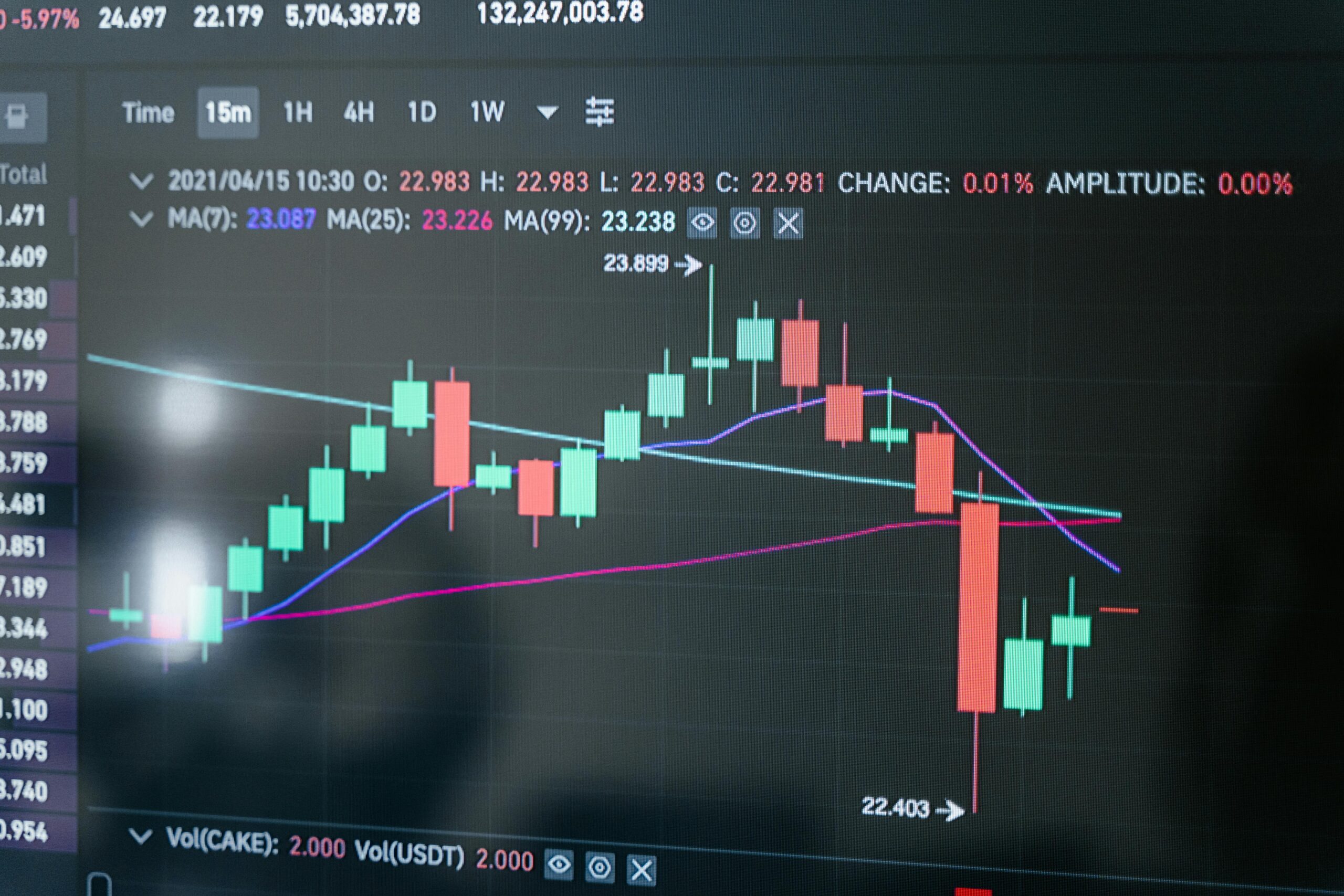
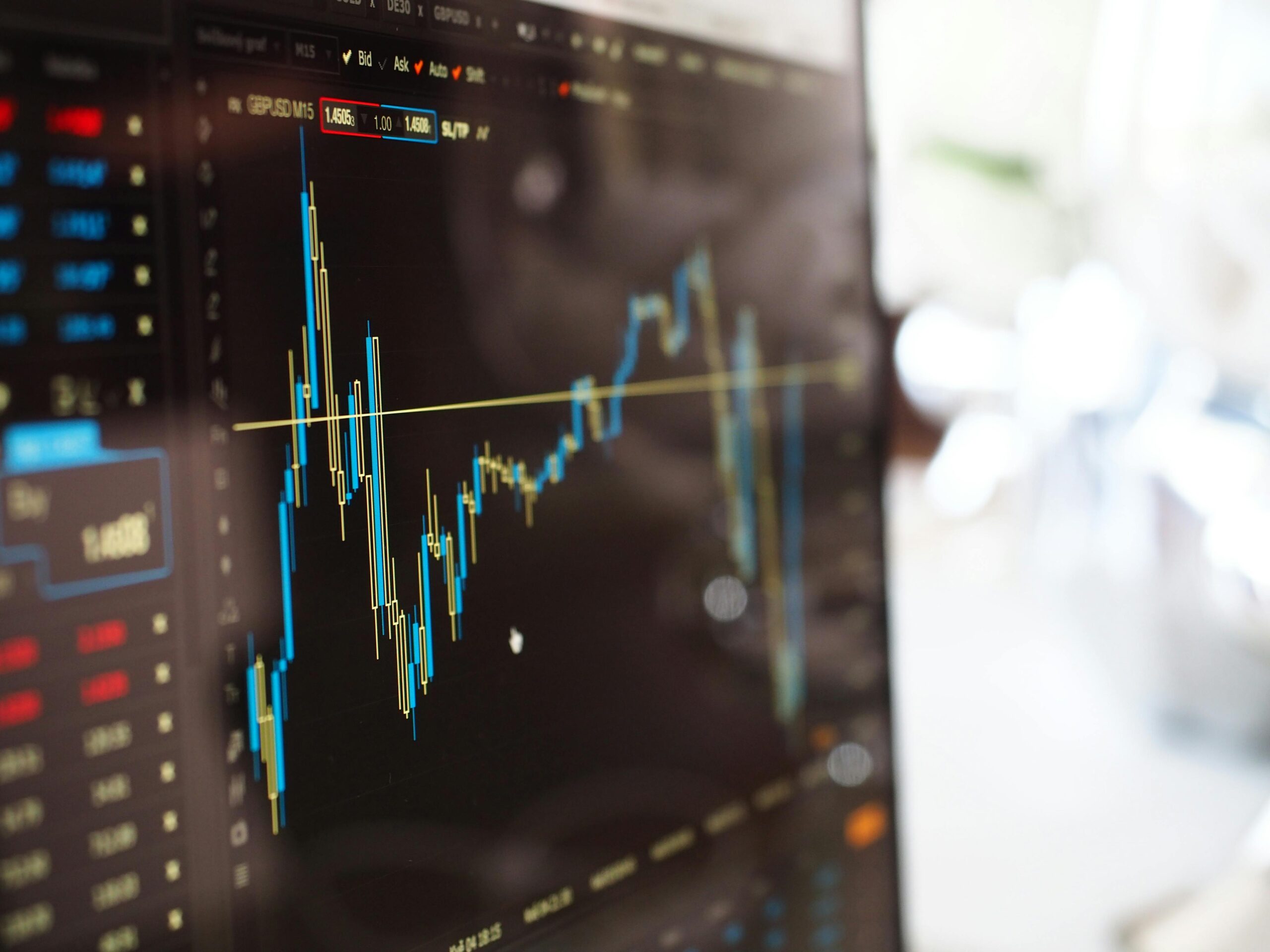
Technical analysis techniques developed for traditional markets—moving averages, support and resistance levels, candlestick patterns—transfer reasonably well to cryptocurrency trading. However, the accelerated timeframes and volatility in crypto markets demand adjusted parameters and risk thresholds.
Dollar-cost averaging works effectively in both traditional and crypto investing, helping investors manage volatility and avoid poorly timed lump-sum investments. This strategy proves particularly valuable in highly volatile crypto markets where timing the bottom is notoriously difficult.
🌐 Emerging Trends Shaping Future Analytics
Artificial intelligence and machine learning are revolutionizing both traditional and crypto analytics. These technologies process vast datasets, identify complex patterns, and generate predictive insights beyond human analytical capabilities.
Natural language processing analyzes news sentiment, social media discussions, and regulatory announcements across multiple languages and platforms simultaneously. This real-time sentiment analysis provides early warning signals for market movements in both traditional and crypto spaces.
Decentralized finance has introduced entirely new analytical frameworks. Total value locked, impermanent loss calculations, yield farming returns, and liquidity provider metrics represent novel concepts that bridge traditional finance principles with blockchain innovation.
Regulatory Convergence and Institutional Adoption
Regulatory clarity continues to evolve, gradually bringing crypto markets closer to traditional financial standards. Institutional adoption by corporations, pension funds, and endowments signals maturation and may reduce volatility over time.
Central bank digital currencies represent potential convergence between traditional monetary policy and blockchain technology. Analytical frameworks for CBDCs will necessarily blend traditional macroeconomic analysis with blockchain-specific metrics.
Environmental, social, and governance criteria increasingly apply to cryptocurrency projects. Proof-of-stake transitions, carbon-neutral mining initiatives, and governance token frameworks demonstrate how traditional ESG concerns are influencing crypto analytics.
💡 Practical Implementation for Better Decision-Making
Building analytical competency requires understanding fundamental principles in both domains. Traditional investors exploring crypto should start with Bitcoin and Ethereum—assets with sufficient history and market depth to apply familiar analytical techniques.
Crypto-native investors venturing into traditional markets benefit from understanding how regulated markets operate, the importance of earnings seasons, and how macroeconomic indicators influence different sectors differently.
Educational resources abound for both analytical approaches. Traditional finance benefits from academic curricula, CFA certification programs, and decades of published research. Crypto education happens through online courses, community forums, and real-time experimentation with smaller capital allocations.
Risk Management Across Asset Classes
Position sizing becomes critical when managing portfolios spanning traditional and crypto assets. The higher volatility of cryptocurrencies typically warrants smaller position sizes relative to traditional holdings, though individual risk tolerance varies.
Stop-loss orders function differently across markets. Traditional markets have circuit breakers and trading halts during extreme volatility, while crypto markets trade continuously without such protections. This reality requires more conservative stop-loss placement in cryptocurrency positions.
Tax implications differ substantially between traditional and crypto investments across jurisdictions. Understanding cost basis calculation, wash sale rules, and reporting requirements for both asset types prevents costly mistakes and ensures compliance.
🎯 Building Your Integrated Analytics Framework
Developing a personalized analytical approach begins with honest assessment of your investment goals, time horizon, and risk tolerance. Short-term traders require different tools and strategies than long-term holders building retirement portfolios.
Information overload represents a genuine challenge in modern markets. Curating reliable data sources, establishing filtering criteria, and focusing on actionable metrics prevents analysis paralysis and improves decision quality.
Backtesting strategies using historical data helps validate analytical approaches before committing capital. Traditional markets offer extensive historical datasets for testing, while crypto’s shorter history requires careful consideration of changing market dynamics.
Community engagement provides valuable perspective in both traditional and crypto investing. Investment clubs, online forums, and social trading platforms offer diverse viewpoints that challenge assumptions and reveal blind spots in individual analysis.
🔮 The Future Landscape of Financial Analysis
The distinction between traditional and crypto analytics will likely blur as markets mature and institutional participation increases. Hybrid assets combining traditional securities with blockchain technology already exist through tokenized stocks and real-world asset protocols.
Quantum computing threatens to disrupt both traditional quantitative models and blockchain security assumptions. Analysts must prepare for technological disruptions that could reshape fundamental analytical approaches within the coming decade.
Globalization of finance continues accelerating, with crypto markets leading the charge toward truly borderless capital allocation. Analytical frameworks must account for cross-border dynamics, regulatory arbitrage, and cultural differences influencing market behavior.
The democratization of sophisticated analytical tools empowers retail investors like never before. Access to previously institutional-only data, analytics, and execution capabilities levels the playing field, though successful implementation still requires education and discipline.

🏆 Synthesis: Making Smarter Financial Decisions
Neither traditional nor crypto analytics provides complete answers independently. The most successful modern investors synthesize insights from both approaches, understanding their complementary strengths and respective limitations.
Traditional analytics offers stability, regulatory clarity, and decades of empirical validation. Crypto analytics provides transparency, real-time data access, and exposure to transformative technological innovation. Together, these approaches create a comprehensive framework for navigating today’s complex financial landscape.
Continuous learning remains essential as both fields evolve rapidly. Market conditions change, new analytical techniques emerge, and the relationship between traditional and crypto markets continues developing. Flexibility and intellectual humility separate successful long-term investors from those left behind by change.
Your financial decisions improve when informed by diverse analytical perspectives. Whether you lean toward traditional stability or crypto innovation, understanding both worlds enhances judgment, identifies opportunities, and manages risks more effectively. The future belongs to investors who embrace analytical diversity while maintaining disciplined, evidence-based decision-making processes.