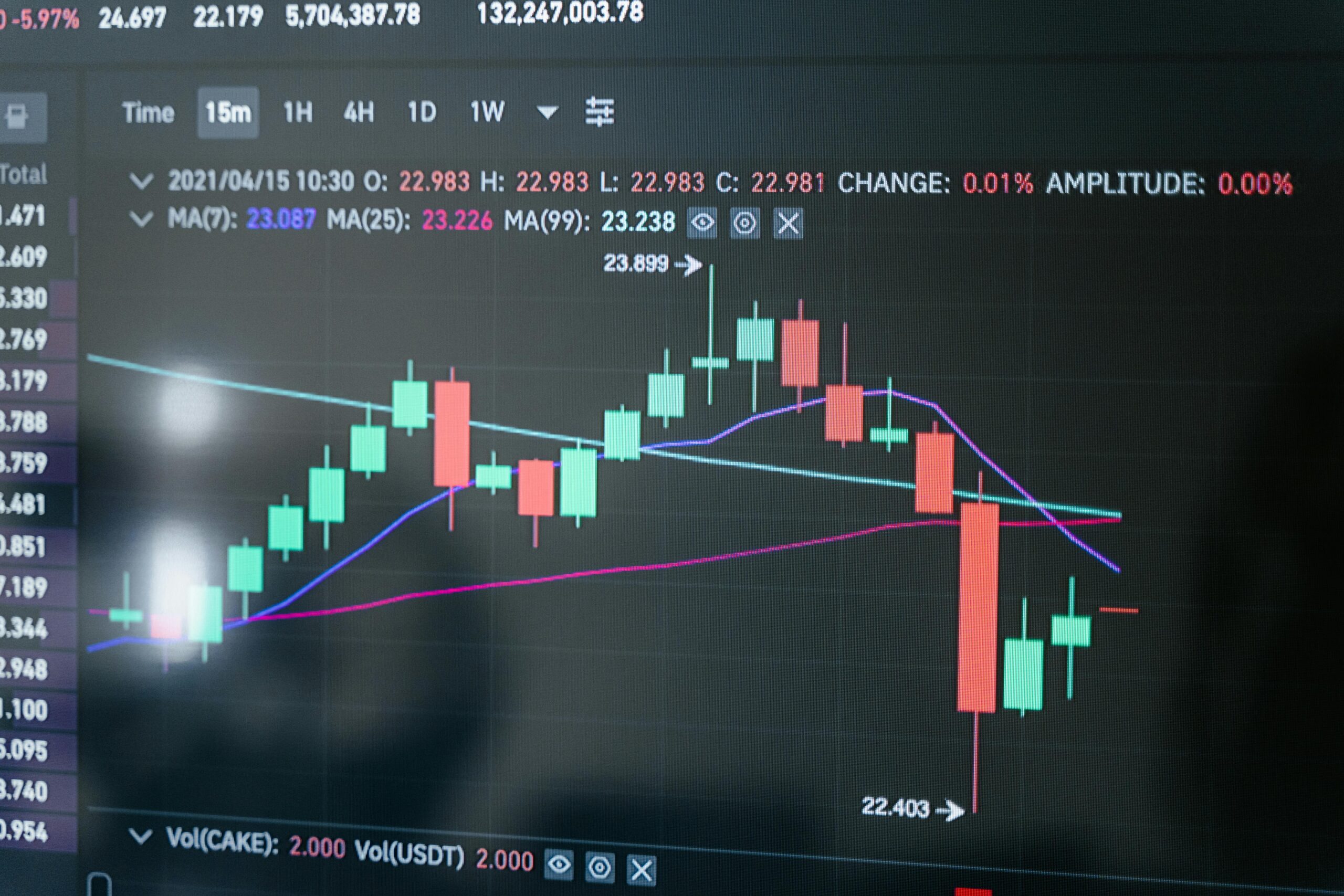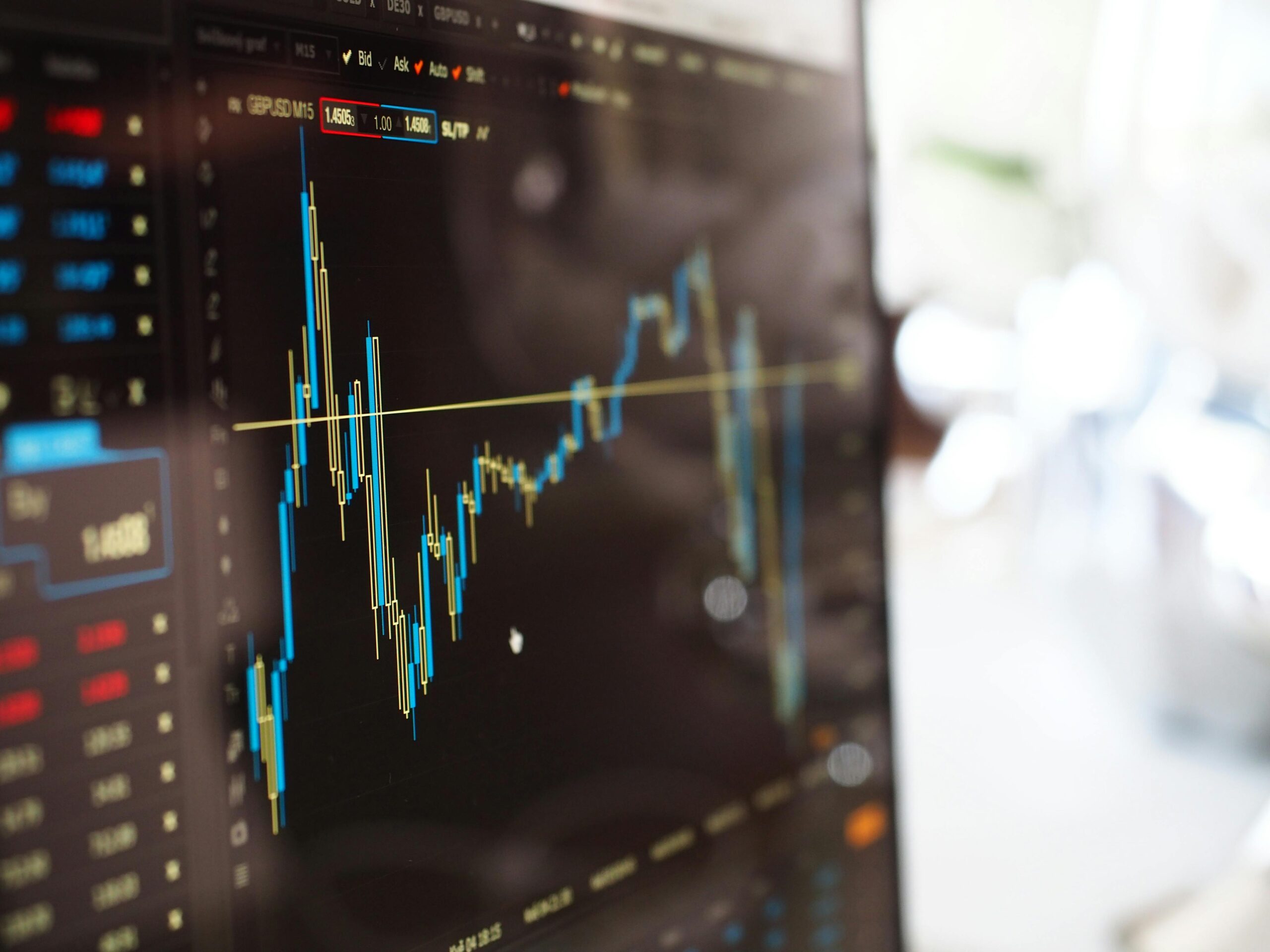
In today’s fast-paced financial landscape, the difference between profit and loss often comes down to milliseconds. Real-time data dashboards have revolutionized how traders interact with markets, transforming raw information into actionable intelligence that drives success.

The evolution of trading technology has democratized access to institutional-grade tools, enabling individual traders to compete on levels previously reserved for Wall Street professionals. Understanding how to leverage these powerful platforms can dramatically enhance your trading performance and decision-making capabilities.
🚀 The Revolution of Real-Time Trading Intelligence
Traditional trading methods relied on delayed information, outdated charts, and gut instinct. Modern real-time data dashboards have completely transformed this paradigm, providing instantaneous market updates that reflect current conditions with remarkable accuracy. This technological leap has fundamentally altered the competitive landscape of financial markets.
Real-time dashboards aggregate data from multiple sources simultaneously, processing thousands of data points per second. This capability allows traders to identify emerging trends, spot anomalies, and execute strategies with precision that was unimaginable just a decade ago. The compression of information latency has created new opportunities for those who know how to harness these tools effectively.
Understanding the Anatomy of Effective Trading Dashboards
A well-designed trading dashboard functions as your command center, consolidating critical information into an intuitive interface. The most effective dashboards balance comprehensiveness with clarity, avoiding information overload while ensuring no crucial data point is overlooked. This delicate equilibrium separates professional-grade platforms from amateur offerings.
Key components include live price feeds, volume indicators, order book depth, technical analysis tools, news sentiment trackers, and customizable alert systems. Each element serves a specific purpose in building a complete market picture, enabling traders to make informed decisions based on comprehensive situational awareness rather than fragmented information.
📊 Critical Features That Define Superior Dashboards
Not all real-time dashboards are created equal. Understanding which features truly matter can help traders select platforms that align with their specific strategies and trading styles. The following characteristics distinguish exceptional dashboards from mediocre alternatives.
Data Latency and Feed Quality
Milliseconds matter in active trading. Premium dashboards connect directly to exchange APIs, minimizing the delay between market events and their display on your screen. This reduced latency provides a competitive edge, especially in volatile markets where prices can swing dramatically in seconds. Traders should verify that their dashboard provider offers genuine real-time data rather than delayed feeds marketed as “live.”
Feed reliability is equally important. The best platforms maintain redundant data connections and implement failover systems to ensure uninterrupted service during critical trading periods. Downtime during high-volatility events can result in missed opportunities or, worse, inability to manage existing positions during rapid market movements.
Customization and Personalization Capabilities
Every trader has unique preferences and strategies. Superior dashboards offer extensive customization options, allowing users to configure layouts, select specific data streams, set personalized alerts, and save multiple workspace configurations. This flexibility ensures the dashboard adapts to your workflow rather than forcing you to conform to rigid, one-size-fits-all interfaces.
Advanced platforms enable traders to create custom indicators, implement proprietary algorithms, and integrate third-party tools seamlessly. This extensibility transforms the dashboard from a passive display tool into an active component of your trading strategy, capable of executing complex analytical tasks automatically.
💡 Transforming Data Into Actionable Intelligence
Raw data holds little value until transformed into insights that inform specific actions. The most sophisticated traders understand that dashboard effectiveness depends not on the volume of information displayed but on the quality of insights extracted. This transformation requires both technological capability and analytical skill.
Pattern Recognition and Trend Identification
Real-time dashboards excel at revealing patterns that human observers might miss in static charts. By continuously updating visualizations and applying algorithmic analysis, these platforms can identify emerging trends, detect support and resistance levels, and flag potential breakout scenarios as they develop. This dynamic analysis provides early warning signals that enable proactive rather than reactive trading.
Machine learning algorithms integrated into advanced dashboards can recognize complex patterns across multiple timeframes and asset classes simultaneously. This multi-dimensional analysis creates a more complete market picture, revealing correlations and divergences that might indicate upcoming volatility or trend reversals.
Risk Management Through Real-Time Monitoring
Effective risk management demands constant vigilance. Real-time dashboards provide continuous position monitoring, automatically calculating exposure, margin requirements, and profit-and-loss metrics as market conditions change. This instantaneous feedback enables traders to adjust positions proactively, protecting capital during adverse movements while maximizing gains during favorable conditions.
Alert systems constitute a critical risk management component. Properly configured notifications can warn traders of significant price movements, unusual volume spikes, breaking news events, or when positions approach predetermined risk thresholds. These automated watchdogs ensure that critical information reaches traders immediately, even when they’re not actively monitoring markets.
🎯 Strategic Advantages of Dashboard-Driven Trading
Traders who master real-time dashboards gain multiple competitive advantages over those relying on traditional methods. These benefits extend beyond simple speed, encompassing improved accuracy, enhanced discipline, and more sophisticated strategy implementation.
Multi-Market Surveillance and Opportunity Detection
Modern dashboards enable simultaneous monitoring of dozens or even hundreds of instruments across different asset classes and markets. This broad surveillance capability allows traders to identify correlation opportunities, arbitrage situations, and sector rotations as they emerge. The ability to maintain awareness across multiple markets simultaneously was previously limited to institutional trading desks with teams of analysts.
Cross-market analysis reveals relationships between assets that might not be apparent when viewing instruments in isolation. For example, currency movements often presage commodity price changes, while bond yields influence equity valuations. Real-time dashboards that display these interrelationships empower traders to anticipate movements in their primary markets by monitoring leading indicators elsewhere.
Execution Speed and Precision
Many advanced dashboards integrate directly with trading platforms, enabling one-click order execution from the same interface displaying market data. This integration eliminates the delay and potential errors associated with switching between analysis and execution platforms. Faster execution means better fill prices, particularly in fast-moving markets where every second affects the final transaction cost.
Precision also improves through features like bracket orders, trailing stops, and algorithmic execution strategies accessible directly from dashboard interfaces. These sophisticated order types allow traders to define complex risk management rules that execute automatically based on real-time market conditions, removing emotion from critical decisions.
📱 Mobile Dashboards: Trading Freedom Without Compromise
The proliferation of powerful mobile devices has extended dashboard capabilities beyond desktop computers. Professional-grade mobile trading apps now offer many features previously exclusive to desktop platforms, enabling traders to monitor markets and manage positions from anywhere with internet connectivity.
Mobile dashboards prioritize essential information, presenting data in formats optimized for smaller screens without sacrificing functionality. Push notifications ensure traders receive critical alerts regardless of whether they’re actively using the application, maintaining situational awareness even during periods away from active monitoring.
Selecting the Right Mobile Trading Platform
When evaluating mobile trading dashboards, consider interface intuitiveness, execution reliability, security features, and offline functionality. The best mobile platforms maintain feature parity with desktop versions while adapting navigation and display to touch interfaces. Security considerations become paramount on mobile devices, requiring robust authentication methods and encrypted data transmission.
Battery efficiency and data consumption also matter for traders who monitor markets throughout extended periods. Well-optimized applications balance real-time updates with resource management, preventing excessive battery drain while maintaining connection quality even on cellular networks with variable bandwidth.
🔐 Security and Reliability Considerations
Entrusting your trading data and potentially account access to dashboard platforms requires careful evaluation of security measures and system reliability. Compromised security can result in unauthorized access, stolen credentials, or manipulated data feeds that lead to poor trading decisions.
Authentication and Data Protection
Premium dashboard providers implement multi-factor authentication, encrypted connections, and regular security audits. These measures protect against unauthorized access and ensure data transmitted between your device and the platform remains confidential. Traders should verify that providers follow industry-standard security protocols and maintain transparent policies regarding data handling and storage.
Consider whether dashboard providers store sensitive information like API keys or account credentials on their servers. The most secure implementations allow traders to maintain credentials locally, using secure token-based authentication for platform access without exposing actual login information to third parties.
Uptime and Disaster Recovery
Dashboard reliability directly impacts trading success. Platforms should maintain service level agreements guaranteeing minimum uptime percentages, ideally above 99.9%. Investigate provider infrastructure, including data center redundancy, backup systems, and disaster recovery procedures that ensure service continuity during technical failures or infrastructure disruptions.
Transparent communication during outages demonstrates provider professionalism. Quality platforms maintain status pages showing real-time system health and promptly notify users of any service disruptions, enabling traders to implement contingency plans when primary systems become unavailable.
💰 Cost-Benefit Analysis: Investing in Premium Dashboards
Dashboard solutions range from free basic platforms to premium subscriptions costing hundreds of dollars monthly. Determining appropriate investment levels requires honest assessment of your trading frequency, capital deployment, and strategy complexity. Active traders managing substantial portfolios typically find premium features justify their costs through improved execution and risk management.
Free Versus Paid Platform Considerations
Free dashboards often provide delayed data, limited customization, and basic charting capabilities suitable for casual investors or beginners learning market fundamentals. These platforms serve educational purposes but lack features necessary for serious active trading. Understanding these limitations helps set realistic expectations when using free services.
Premium platforms justify costs through enhanced data quality, advanced analytical tools, comprehensive market coverage, and superior customer support. For traders whose strategies depend on real-time information and sophisticated analysis, premium subscriptions represent operational expenses that directly contribute to profitability rather than discretionary costs.
🌟 Emerging Technologies Shaping Dashboard Evolution
Artificial intelligence, machine learning, and advanced data visualization techniques continue pushing dashboard capabilities forward. Next-generation platforms incorporate predictive analytics, natural language processing for news analysis, and augmented reality displays that transform how traders interact with market information.
AI-Powered Insights and Predictions
Machine learning algorithms analyze historical patterns to generate probabilistic forecasts about future price movements. While no system predicts markets with certainty, AI-enhanced dashboards can identify conditions similar to past scenarios and suggest potential outcomes, providing additional context for human decision-making. These tools work best when traders understand underlying methodologies and interpret suggestions critically rather than following them blindly.
Sentiment analysis tools process news articles, social media posts, and analyst reports to gauge market psychology surrounding specific instruments. By quantifying typically qualitative information, these features add another dimension to technical and fundamental analysis, helping traders anticipate sentiment-driven price movements.
Voice Control and Alternative Interfaces
Voice-activated trading commands and natural language queries represent emerging interface paradigms. Instead of clicking through menus or typing complex commands, traders can verbally request information or execute orders using conversational language. While still evolving, these interfaces promise increased efficiency and accessibility, particularly for traders managing multiple positions simultaneously.
Virtual and augmented reality dashboards remain largely experimental but offer intriguing possibilities for three-dimensional data visualization. Imagine manipulating complex multi-dimensional datasets through gesture controls or viewing market data overlaid on physical environments. These futuristic interfaces may eventually provide more intuitive ways to process the overwhelming information volumes characterizing modern financial markets.
🎓 Developing Dashboard Mastery: A Learning Pathway
Acquiring dashboard proficiency requires intentional practice and systematic skill development. Begin with basic features, gradually incorporating advanced capabilities as comfort levels increase. This progressive approach prevents overwhelm while building solid foundational knowledge that supports more sophisticated usage.
Structured Learning Approaches
Most quality dashboard providers offer training resources including video tutorials, documentation, and sometimes live webinars demonstrating platform features. Investing time in these educational materials accelerates the learning curve and reveals capabilities you might otherwise overlook. Community forums provide additional learning opportunities through peer discussions and strategy sharing.
Paper trading or simulation modes allow risk-free experimentation with dashboard features and trading strategies. These practice environments replicate real market conditions without financial exposure, enabling traders to test configurations, validate analytical approaches, and build confidence before committing actual capital.
Continuous Improvement and Adaptation
Markets evolve continuously, and effective dashboard usage must evolve correspondingly. Regularly review your dashboard configuration, eliminating unused features while incorporating new tools that address emerging needs. This iterative refinement ensures your setup remains optimized for current market conditions and personal trading style evolution.
Maintain a trading journal documenting how dashboard features contributed to successful and unsuccessful trades. This analytical approach reveals which tools provide genuine value versus those that merely add complexity without improving outcomes. Data-driven refinement of dashboard usage transforms the platform into an increasingly powerful ally in trading success.
⚡ Implementation Strategies for Maximum Impact
Successfully integrating real-time dashboards into your trading workflow requires thoughtful implementation. Rushing to utilize every available feature typically creates confusion rather than clarity. Strategic, phased adoption allows gradual capability building without disrupting established processes that already work effectively.
Starting With Core Functionality
Begin by mastering essential features: live price displays, basic charting, and simple alert configurations. These foundational elements deliver immediate value while familiarizing you with platform navigation and interface logic. Once comfortable with core functions, progressively incorporate advanced tools like custom indicators, multi-timeframe analysis, and algorithmic alerts.
Create multiple workspace configurations tailored to different trading scenarios. Design focused layouts for different strategies, market conditions, or asset classes. This preparation enables quick transitions between trading modes without reconfiguring your entire dashboard during active market hours when time pressure is highest.
Integration With Overall Trading Systems
Real-time dashboards function best as components within comprehensive trading systems rather than standalone solutions. Define how dashboard information feeds into your decision-making process, risk management protocols, and execution procedures. This systematic integration ensures technology serves your strategy rather than dictating it.
Document standard operating procedures for various market scenarios, specifying which dashboard features to monitor and what signals trigger specific actions. This structured approach maintains discipline during high-stress situations when emotional decision-making poses the greatest risks to capital preservation.
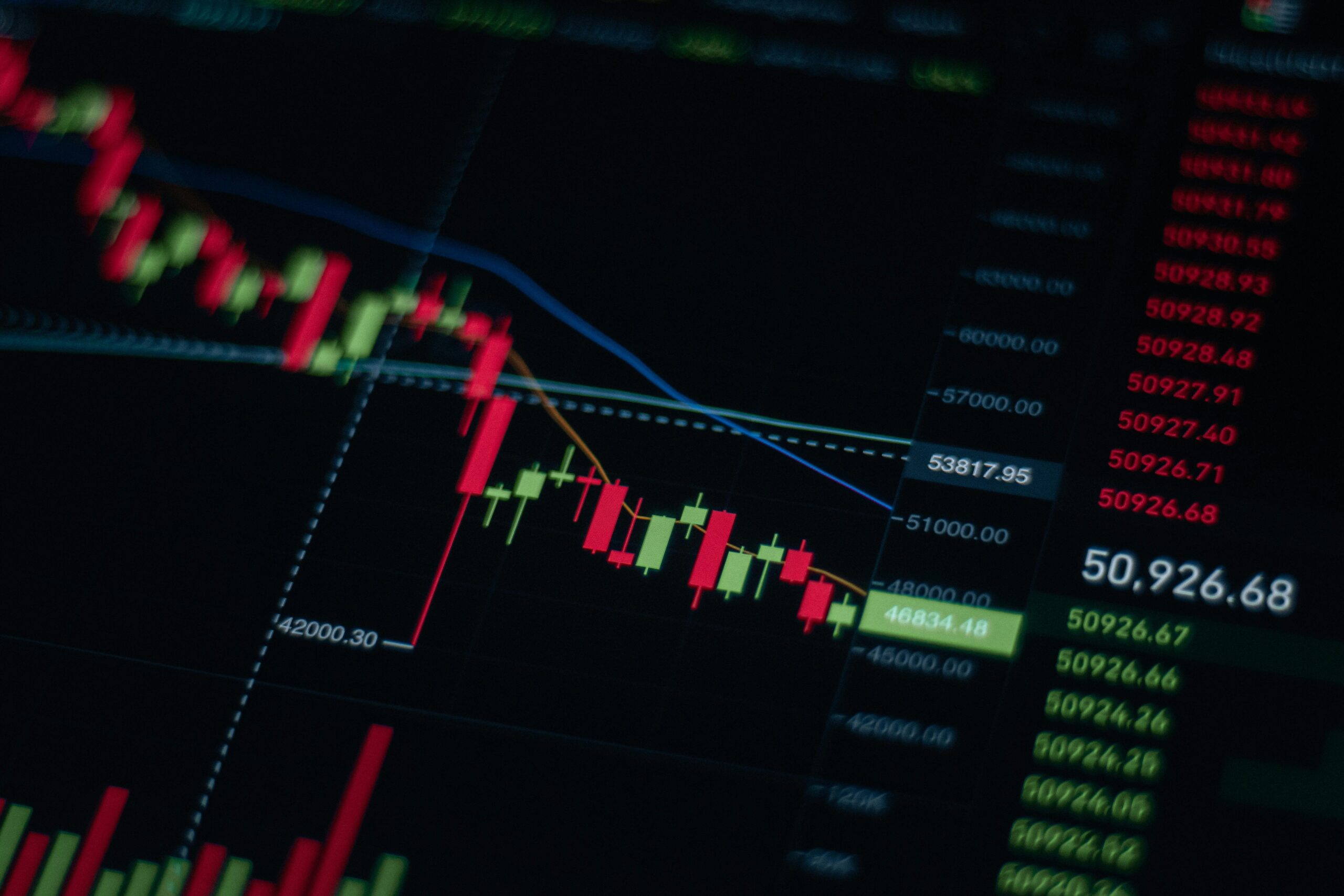
🏆 Achieving Sustainable Trading Excellence
Real-time data dashboards represent powerful tools, but tools alone don’t guarantee success. Sustainable trading excellence requires combining technological advantages with sound strategy, disciplined risk management, and continuous learning. Dashboards amplify existing skills rather than replacing them, providing leverage that competent traders utilize to maximize their natural abilities.
The competitive advantages provided by real-time information access, sophisticated analytical tools, and rapid execution capabilities level the playing field between individual traders and institutional participants. However, these technologies are now widely available, meaning advantages stem not from access alone but from superior utilization. Traders who invest time mastering dashboard capabilities, integrating them thoughtfully into comprehensive trading systems, and maintaining disciplined execution separate themselves from those who merely accumulate features without strategic implementation.
As markets become increasingly data-driven and technology-dependent, dashboard proficiency evolves from competitive advantage to basic requirement for serious trading participation. The question is no longer whether to adopt real-time dashboards but how quickly you can master these essential tools to maintain relevance in rapidly evolving financial markets. Your commitment to dashboard mastery directly correlates with your potential for sustained trading success in today’s technologically sophisticated marketplace.