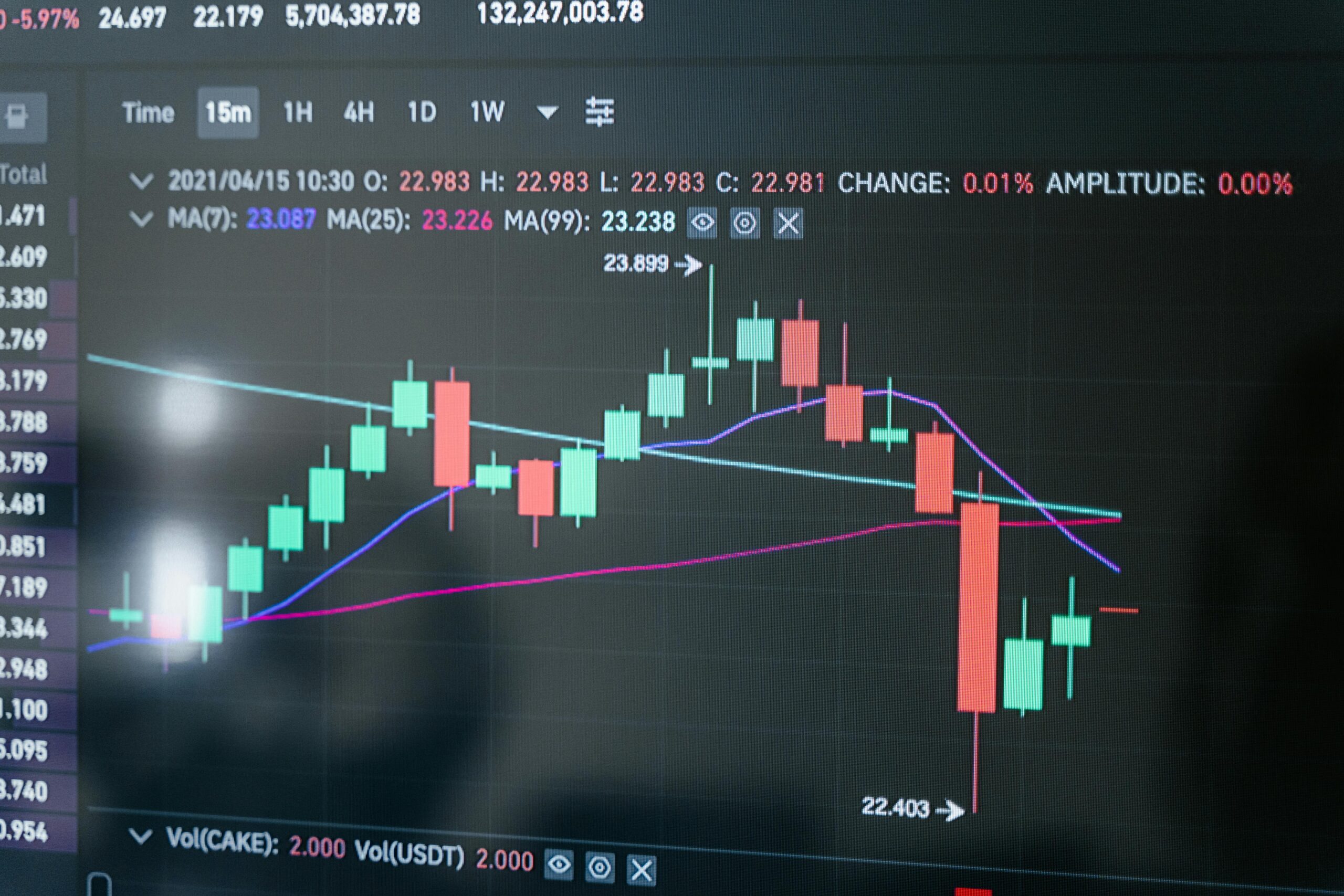
The landscape of data analytics is undergoing a radical transformation, driven by the rise of decentralized technologies that promise to democratize access to information while preserving user privacy and autonomy.

As blockchain networks mature and Web3 protocols gain traction, a new generation of analytical tools is emerging to meet the unique challenges of distributed systems. These innovative solutions are not just adapting traditional analytics for a decentralized world—they’re fundamentally reimagining how we collect, process, and derive insights from data across trustless networks.
🔍 The Paradigm Shift from Centralized to Decentralized Analytics
Traditional analytics platforms have long relied on centralized data repositories where information flows through single points of control. This model, while efficient in many respects, introduces significant vulnerabilities including data monopolization, privacy breaches, and single points of failure. Decentralized analytics represents a fundamental departure from this approach, distributing data collection and processing across multiple nodes while maintaining transparency and user sovereignty.
The shift toward decentralized systems isn’t merely technical—it reflects broader societal demands for data ownership and transparency. Users increasingly recognize that their digital footprints generate immense value, yet they rarely benefit from or control how this information is utilized. Decentralized analytics tools address this imbalance by embedding privacy preservation and user consent into their core architecture.
Revolutionary Technologies Powering Decentralized Analytics
Blockchain-Based Data Infrastructure 🔗
At the foundation of decentralized analytics lies blockchain technology, which provides an immutable, transparent ledger for recording transactions and events. Modern analytical platforms leverage various blockchain networks—from Ethereum and Polygon to Solana and Avalanche—to capture on-chain activities in real-time. These systems track everything from token transfers and smart contract interactions to NFT marketplace dynamics and DeFi protocol usage.
The transparency inherent to public blockchains creates unprecedented opportunities for data analysis. Every transaction exists as a permanent, verifiable record accessible to anyone with the appropriate tools. This openness contrasts sharply with traditional financial and business systems where data remains siloed behind corporate walls.
Graph Databases and Network Analysis
Understanding blockchain ecosystems requires specialized data structures capable of representing complex relationships between addresses, contracts, and protocols. Graph databases have emerged as essential infrastructure for decentralized analytics, enabling analysts to map the intricate web of interactions that define Web3 ecosystems.
These systems excel at queries that would be prohibitively expensive in traditional relational databases—tracing fund flows across multiple hops, identifying wallet clustering patterns, or discovering indirect relationships between seemingly unrelated entities. Projects like The Graph have built decentralized indexing protocols specifically designed to make blockchain data queryable through GraphQL APIs.
Zero-Knowledge Proofs and Privacy-Preserving Analytics 🛡️
One of the most exciting frontiers in decentralized analytics involves zero-knowledge cryptography, which allows verification of information without revealing the underlying data itself. This technology enables analysts to derive meaningful insights from encrypted datasets while maintaining user privacy—a capability impossible in traditional analytics frameworks.
Privacy-preserving computation techniques like secure multi-party computation and homomorphic encryption are gradually moving from academic research into practical implementation. These methods allow multiple parties to jointly analyze data without exposing their individual contributions, opening possibilities for collaborative analytics across competitive organizations.
Leading Platforms Transforming Decentralized Analytics
Dune Analytics: Democratizing Blockchain Intelligence
Dune Analytics has become synonymous with accessible blockchain data analysis, providing a SQL-based interface that allows anyone to query indexed blockchain data. The platform’s community-driven model encourages users to create and share dashboards tracking everything from DeFi protocol metrics to NFT market trends.
What sets Dune apart is its collaborative approach—users build upon each other’s queries, creating a compounding knowledge base. This open methodology contrasts sharply with proprietary analytics tools where insights remain locked within organizational boundaries. The platform supports multiple blockchains and continues expanding its coverage as new networks gain prominence.
Nansen: AI-Enhanced Blockchain Analytics
Nansen combines blockchain data with artificial intelligence to provide wallet labeling and behavioral analysis. The platform classifies millions of addresses based on their on-chain activity, identifying smart money, institutional investors, and protocol-specific user segments. This labeling system transforms anonymous address strings into meaningful categories that inform investment and research decisions.
The platform’s real-time alerts notify users of significant on-chain movements, token flows into exchanges, and emerging wallet patterns. By integrating machine learning with comprehensive blockchain indexing, Nansen exemplifies how artificial intelligence can enhance decentralized analytics without compromising the underlying data’s transparency.
Messari: Professional-Grade Crypto Research
Messari positions itself as the Bloomberg terminal for crypto assets, aggregating data from multiple sources into a comprehensive research platform. The service provides standardized metrics across projects, enabling apples-to-apples comparisons that were previously impossible due to inconsistent reporting standards.
Beyond raw data, Messari publishes in-depth research reports, governance analysis, and market intelligence. This combination of quantitative data and qualitative insight serves institutional investors, researchers, and protocol developers seeking to understand market dynamics and competitive positioning.
📊 Emerging Use Cases Reshaping Industries
DeFi Protocol Optimization
Decentralized finance protocols generate enormous amounts of data regarding liquidity provision, trading volumes, loan origination, and protocol revenue. Analytics tools enable protocol developers to optimize parameters like fee structures, liquidity incentives, and risk management mechanisms based on empirical evidence rather than guesswork.
Users benefit equally from these analytical capabilities—comparing yield opportunities across platforms, assessing protocol risk through historical data analysis, and timing market entries based on on-chain indicators. This transparency creates more efficient markets where information asymmetries diminish over time.
NFT Market Intelligence
The explosion of non-fungible tokens created demand for specialized analytics tracking collection performance, rarity metrics, holder distribution, and market sentiment. Platforms now offer floor price tracking, sale volume analysis, and whale wallet monitoring—tools that help collectors and investors navigate volatile markets.
Advanced analytics go beyond simple price tracking to examine social metrics, community engagement, and cross-collection correlations. These multidimensional approaches provide richer context for understanding what drives value in digital collectibles markets.
Governance and DAO Operations
Decentralized autonomous organizations rely on transparent decision-making processes recorded on-chain. Analytics tools designed for DAO governance track proposal participation rates, voting patterns, token holder distribution, and treasury management effectiveness.
These insights help DAO contributors identify engagement bottlenecks, optimize incentive structures, and ensure that governance processes remain truly decentralized rather than captured by small groups of large token holders. Transparency in governance analytics strengthens accountability and community trust.
Technical Challenges and Innovative Solutions 💡
Data Indexing at Scale
Blockchain networks generate data at unprecedented rates—Ethereum alone processes millions of transactions daily across thousands of smart contracts. Indexing this information in queryable formats presents significant technical challenges requiring distributed infrastructure and efficient data structures.
Solutions employ various strategies including selective indexing based on contract relevance, incremental updates rather than full chain scans, and distributed node networks that share indexing responsibilities. These approaches balance comprehensiveness with performance, ensuring that analytics platforms remain responsive even as blockchain activity grows.
Cross-Chain Data Aggregation
The multi-chain future requires analytics tools capable of tracking assets and activities across disparate blockchain networks with different data models, consensus mechanisms, and smart contract languages. Building unified interfaces that normalize data from heterogeneous sources represents a substantial engineering challenge.
Leading platforms employ abstraction layers that map chain-specific data structures into common schemas, enabling cross-chain queries and comparisons. Bridge monitoring tools track asset flows between networks, providing visibility into the interconnected Web3 ecosystem.
Real-Time Processing and Alert Systems
Many use cases require near-instantaneous data processing—detecting arbitrage opportunities, monitoring security threats, or tracking whale movements. Traditional batch processing approaches prove inadequate for these time-sensitive applications.
Modern decentralized analytics platforms implement stream processing architectures that analyze transactions as they occur, triggering alerts and updating dashboards within seconds of on-chain events. These systems employ complex event processing techniques adapted for blockchain data’s unique characteristics.
🚀 The Road Ahead: Future Innovations
Decentralized Data Storage Integration
Current analytics platforms primarily analyze on-chain data, but significant information exists in decentralized storage systems like IPFS, Arweave, and Filecoin. Future tools will integrate these data sources, enabling analysis of content, metadata, and usage patterns across the full decentralized web stack.
This expansion will support new analytical applications including decentralized social media metrics, content recommendation systems, and reputation scoring based on off-chain but verifiable activities.
Predictive Analytics and Machine Learning
As historical blockchain data accumulates, machine learning models trained on this information will generate predictive insights about market movements, protocol adoption, and user behavior. These models must balance sophistication with transparency—black-box algorithms conflict with decentralization’s ethos of verifiability.
Explainable AI techniques that provide interpretable predictions alongside their reasoning will become essential for building trust in analytical tools. On-chain model deployment and decentralized computation networks may eventually enable trustless execution of analytical algorithms.
Standardization and Interoperability
The proliferation of analytics platforms creates fragmentation, with different tools providing incompatible metrics and insights. Industry-wide standardization efforts around data schemas, metric definitions, and API specifications will improve interoperability and enable composable analytics workflows.
Open-source initiatives and community-governed standards organizations will likely drive this standardization, mirroring the collaborative development models that have succeeded elsewhere in the Web3 ecosystem.
Empowering Users Through Data Sovereignty 🌐
Perhaps the most profound impact of decentralized analytics lies in shifting power from institutions to individuals. When users control their data and can independently verify claims about system behavior, they gain agency previously reserved for corporate entities with exclusive data access.
This democratization extends beyond crypto-native applications. As traditional industries explore blockchain integration for supply chain tracking, identity management, and digital rights, decentralized analytics will provide transparency into systems that currently operate as black boxes.
Educational initiatives teaching data literacy and analytical skills to broader audiences will accelerate this empowerment. No-code analytics tools, visual query builders, and AI assistants that translate natural language questions into blockchain queries make these capabilities accessible beyond technical specialists.

Building the Analytical Infrastructure for Tomorrow
The revolution in decentralized analytics is still in its early chapters, with foundational infrastructure rapidly evolving. The tools emerging today represent just the beginning of what’s possible when transparency, user ownership, and distributed systems converge.
Success will require continued innovation across multiple dimensions—technical infrastructure capable of handling blockchain scale, user interfaces that make complexity approachable, privacy technologies that protect sensitive information, and business models that align platform incentives with user interests.
The organizations and developers building this analytical infrastructure aren’t just creating tools—they’re establishing the information foundation for a more transparent, equitable digital economy. As these systems mature and adoption grows, decentralized analytics will become as fundamental to Web3 as search engines are to the traditional internet.
The future being unlocked isn’t just about better charts and dashboards—it’s about fundamentally reimagining our relationship with data, replacing extraction and surveillance with transparency and sovereignty. The innovative tools driving this revolution represent essential infrastructure for a digital world where information flows freely while users maintain control over their digital lives.