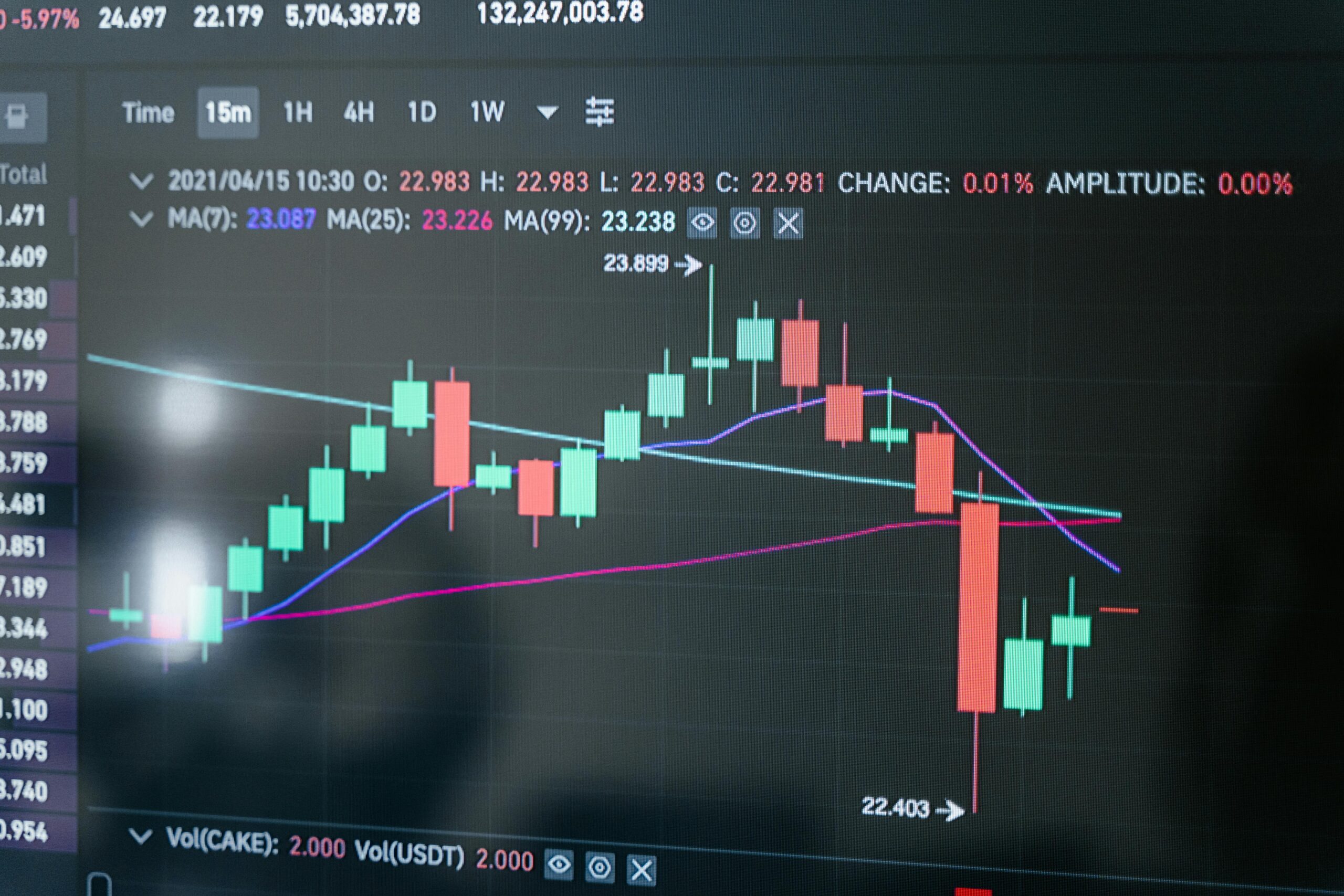
The cryptocurrency and blockchain revolution has fundamentally transformed how investors access and analyze financial information. On-chain data metrics provide unprecedented transparency into market dynamics, offering sophisticated tools for making informed investment decisions in the digital asset space.

Traditional financial markets operate with significant information asymmetry, where institutional investors often maintain advantages over retail participants. Blockchain technology disrupts this paradigm by recording every transaction publicly on distributed ledgers, creating a treasure trove of actionable intelligence accessible to anyone willing to analyze it properly.
🔍 Understanding the Foundation of On-Chain Analytics
On-chain data refers to information recorded directly on blockchain networks, representing the most authentic and tamper-proof source of activity within cryptocurrency ecosystems. Unlike off-chain data from centralized exchanges or third-party sources, on-chain metrics reflect actual network usage, token movements, and participant behavior with absolute certainty.
This transparency creates opportunities for data-driven investors to identify trends, validate narratives, and detect anomalies before they become apparent through price action alone. The democratization of this information has leveled the playing field, allowing retail investors to compete with institutional players using similar analytical frameworks.
The scope of on-chain data extends beyond simple transaction volumes. It encompasses wallet distribution patterns, smart contract interactions, network security metrics, development activity, and countless other variables that collectively paint a comprehensive picture of blockchain health and adoption trajectories.
📊 Essential On-Chain Metrics Every Investor Should Monitor
Successfully navigating the on-chain data landscape requires understanding which metrics provide genuine investment insights versus those that merely generate noise. Certain fundamental indicators have proven particularly valuable for assessing market conditions and making strategic allocation decisions.
Active Address Analysis and Network Growth
Active addresses represent unique wallet addresses engaging with a blockchain network within specific timeframes. This metric serves as a proxy for user adoption and ecosystem vitality, similar to monthly active users in traditional technology platforms. Sustained growth in active addresses typically signals expanding utility and genuine network effects rather than speculative price movements.
Distinguishing between new addresses and returning users provides additional context. Networks experiencing consistent new user onboarding demonstrate healthy growth trajectories, while those dependent primarily on existing participants may face sustainability challenges. Tracking these patterns across market cycles reveals whether projects maintain engagement during both bull and bear markets.
Transaction Volume and Network Utilization
Raw transaction counts and adjusted transaction volumes offer insights into actual blockchain usage. However, interpreting these metrics requires nuance, as different networks optimize for various use cases. High-frequency trading on decentralized exchanges generates different transaction patterns than peer-to-peer payments or NFT minting activities.
Transaction fees provide complementary information about network demand and congestion. Rising fees during periods of heavy activity demonstrate strong demand for block space, validating network utility. Conversely, consistently low fees despite high transaction counts may indicate artificial activity or inefficient fee markets.
Exchange Flow Dynamics and Supply Distribution
Monitoring token movements between exchanges and private wallets reveals critical information about market sentiment and potential price pressure. Large inflows to exchanges often precede selling activity, as investors typically transfer assets to trading platforms when preparing to liquidate positions. Conversely, exchange outflows suggest accumulation behavior and reduced selling pressure.
The ratio of exchange reserves to total circulating supply indicates how much of a token remains readily available for immediate selling. Declining exchange reserves combined with growing active addresses typically signals bullish accumulation patterns, while the opposite configuration may precede price corrections.
💡 Advanced Metrics for Sophisticated Analysis
Beyond fundamental indicators, advanced on-chain metrics provide deeper insights into market structure, investor behavior, and potential inflection points. These specialized tools help experienced analysts identify opportunities and risks that surface-level data cannot reveal.
Realized Capitalization and MVRV Ratios
Realized capitalization values each token at the price when it last moved on-chain, providing a more accurate representation of aggregate cost basis than simple market capitalization. This metric filters out lost coins and long-term holdings, focusing on economically relevant supply.
The Market Value to Realized Value (MVRV) ratio compares current market capitalization against realized capitalization, indicating whether assets trade above or below their aggregate acquisition costs. Extremely high MVRV ratios historically precede corrections as profit-taking intensifies, while depressed ratios often mark accumulation zones where investors acquire assets below historical cost bases.
Network Value to Transactions Ratio
The NVT ratio applies price-to-sales logic to blockchain networks by dividing market capitalization by daily transaction volume. This metric helps identify whether networks appear overvalued or undervalued relative to their economic throughput, similar to traditional valuation multiples in equity markets.
Sustained periods of elevated NVT ratios suggest speculative pricing disconnected from fundamental usage, potentially signaling correction risks. Conversely, depressed NVT ratios may indicate undervaluation relative to network activity, presenting potential entry opportunities for value-oriented investors.
Holder Position Analysis and SOPR Indicators
The Spent Output Profit Ratio (SOPR) measures whether tokens moving on-chain realize profits or losses, providing insights into seller behavior and market psychology. Values above one indicate profitable transactions dominate, while readings below one suggest loss-taking behavior prevails.
Analyzing SOPR across different holder cohorts—long-term holders versus short-term speculators—reveals which participant groups drive market movements. Long-term holder distribution during price rallies often marks intermediate tops, while their accumulation during corrections typically precedes rebounds.
🛠️ Implementing On-Chain Analysis in Investment Workflows
Effectively incorporating on-chain metrics into investment processes requires systematic approaches rather than reactive interpretation of isolated data points. Developing structured frameworks ensures consistency and reduces cognitive biases that compromise decision quality.
Creating Multi-Metric Dashboards
No single on-chain indicator provides complete investment guidance. Successful analysts construct dashboards combining complementary metrics that together validate hypotheses and reveal market conditions. These dashboards should balance leading indicators that anticipate changes with lagging indicators that confirm established trends.
Customizing dashboards for specific investment timeframes ensures relevance. Day traders require different metrics than long-term position investors, with appropriate update frequencies and signal sensitivities matching respective holding periods and risk tolerances.
Establishing Threshold-Based Alert Systems
Converting on-chain observations into actionable signals requires establishing quantitative thresholds that trigger specific responses. Historical analysis identifies metric ranges associated with favorable risk-reward scenarios, allowing systematic position adjustments when conditions materialize.
Alert systems prevent emotional decision-making by predefining responses to market conditions. When exchange inflows exceed predetermined levels or MVRV ratios enter historically extreme ranges, automated alerts prompt portfolio reviews according to established protocols rather than panic-driven reactions.
📈 Real-World Applications and Case Studies
Theoretical understanding of on-chain metrics gains practical value through examining how these tools performed during actual market events. Historical analysis demonstrates both the power and limitations of blockchain data in navigating volatile cryptocurrency markets.
Identifying Accumulation Phases
During the 2018-2019 cryptocurrency bear market, on-chain metrics revealed institutional accumulation despite persistently negative sentiment and declining prices. Exchange outflows accelerated while long-term holder positions grew, contradicting prevailing narratives of diminishing institutional interest.
Investors monitoring these signals identified the market bottom months before price recovery, accumulating positions while sentiment remained maximally pessimistic. This divergence between on-chain reality and market perception created asymmetric opportunities for data-driven participants.
Detecting Distribution Patterns
The 2021 cryptocurrency peak demonstrated how on-chain metrics signal distribution phases. Exchange inflows from long-term holder addresses surged as prices reached all-time highs, indicating profit-taking by sophisticated participants. Simultaneously, new address growth decelerated despite media coverage reaching fever pitch.
These warning signs appeared weeks before price peaks, providing observant investors opportunities to reduce exposure or implement protective strategies. The divergence between bullish price action and deteriorating on-chain fundamentals proved more reliable than technical indicators or sentiment measures.
🔐 Data Sources and Analytical Platforms
Accessing quality on-chain data requires understanding available sources and their respective strengths. The ecosystem includes both free resources for basic analysis and premium platforms offering advanced analytics and proprietary metrics.
Blockchain explorers provide foundational on-chain data access, allowing users to examine individual transactions, addresses, and smart contracts. These tools serve as starting points for custom analysis but require significant technical expertise to extract meaningful investment insights at scale.
Specialized analytics platforms aggregate blockchain data into investor-friendly formats, calculating complex metrics and presenting visualizations that highlight actionable patterns. These services range from free dashboards with basic indicators to institutional-grade platforms offering real-time alerts, API access, and proprietary research.
⚠️ Limitations and Potential Pitfalls
While powerful, on-chain analysis contains inherent limitations that investors must acknowledge to avoid misinterpretation and overconfidence. Understanding these constraints prevents costly mistakes and encourages appropriate integration with complementary analytical approaches.
Privacy Features and Data Opacity
Privacy-focused cryptocurrencies and mixing services obscure transaction details, limiting on-chain visibility into actual network usage and holder behavior. As privacy technology evolves, increasing portions of blockchain activity may occur beyond traditional analytical reach, reducing metric reliability for affected networks.
Interpretation Challenges and False Signals
On-chain metrics occasionally generate conflicting signals requiring subjective interpretation. Exchange flows might reflect custody arrangements rather than trading intentions, while apparent accumulation could represent internal wallet reorganization. Contextual understanding prevents mechanical application of signals without considering alternative explanations.
Market Structure Evolution
Cryptocurrency markets continuously evolve, with new financial instruments, trading venues, and participant types changing relationships between on-chain metrics and price action. Historical patterns may lose predictive power as market structure transforms, requiring ongoing refinement of analytical frameworks.
🚀 Future Developments in On-Chain Analytics
The on-chain analytics field continues advancing rapidly, with emerging technologies and methodologies expanding available insights. Forward-looking investors should monitor these developments to maintain competitive advantages as the industry matures.
Machine learning applications increasingly identify subtle patterns within blockchain data that human analysts might miss. These algorithms detect complex relationships between multiple metrics, potentially forecasting market movements with greater accuracy than traditional approaches.
Cross-chain analytics connecting activity across multiple blockchain networks provide holistic perspectives on capital flows and user behavior throughout decentralized finance ecosystems. As interoperability protocols mature, understanding cross-chain dynamics becomes essential for comprehensive market analysis.
Integration between on-chain data and traditional financial metrics creates hybrid analytical frameworks combining blockchain transparency with conventional valuation approaches. This convergence enables more sophisticated assessments of cryptocurrency projects alongside traditional assets within diversified portfolios.
🎯 Practical Implementation Strategies
Translating on-chain knowledge into investment success requires deliberate implementation tailored to individual circumstances, risk tolerances, and objectives. Generic approaches rarely optimize outcomes compared to customized strategies reflecting personal situations.
Begin with fundamental metrics before advancing to complex indicators. Master active addresses, exchange flows, and transaction volumes before incorporating specialized tools like MVRV ratios or entity-adjusted metrics. This progression builds intuitive understanding that prevents mechanical signal application without comprehension.
Maintain investment journals documenting on-chain observations, decisions, and outcomes. This practice develops pattern recognition skills while creating accountability for analytical quality. Reviewing past decisions against subsequent developments reveals which metrics provided genuine value versus noise.
Combine on-chain analysis with complementary research dimensions including fundamental project evaluation, technical chart analysis, and macroeconomic context. No single analytical approach provides complete investment guidance, but integrating multiple perspectives creates robust decision frameworks resistant to individual methodology weaknesses.

💼 Building Competitive Advantages Through Data Mastery
The accessibility of on-chain data creates opportunities for dedicated individuals to develop expertise rivaling institutional capabilities. Unlike traditional markets where information advantages concentrate among well-capitalized players, blockchain transparency enables motivated retail investors to compete effectively through analytical skill.
Specializing in particular networks or metric categories allows development of genuine expertise that generates differentiated insights. Rather than superficially monitoring dozens of metrics across numerous chains, focused specialization often produces superior results through deep understanding of specific dynamics.
Participating in analyst communities facilitates knowledge exchange and methodology refinement. Collaborative environments expose individuals to diverse perspectives while providing feedback on analytical approaches, accelerating learning curves beyond isolated study.
The cryptocurrency markets reward preparation, discipline, and analytical rigor more consistently than speculation or emotional trading. On-chain metrics provide the foundation for systematic, evidence-based investment approaches that compound advantages over time through informed decision-making during critical market inflection points.
As blockchain adoption expands and markets mature, on-chain analysis will transition from specialized expertise to essential literacy for serious cryptocurrency investors. Those developing these capabilities now position themselves advantageously for the increasingly data-driven future of digital asset markets. The transparency inherent to blockchain technology represents a fundamental innovation in financial information access, and investors who master interpreting this data unlock powerful tools for navigating the complexities of cryptocurrency investing with greater confidence and precision. 📊