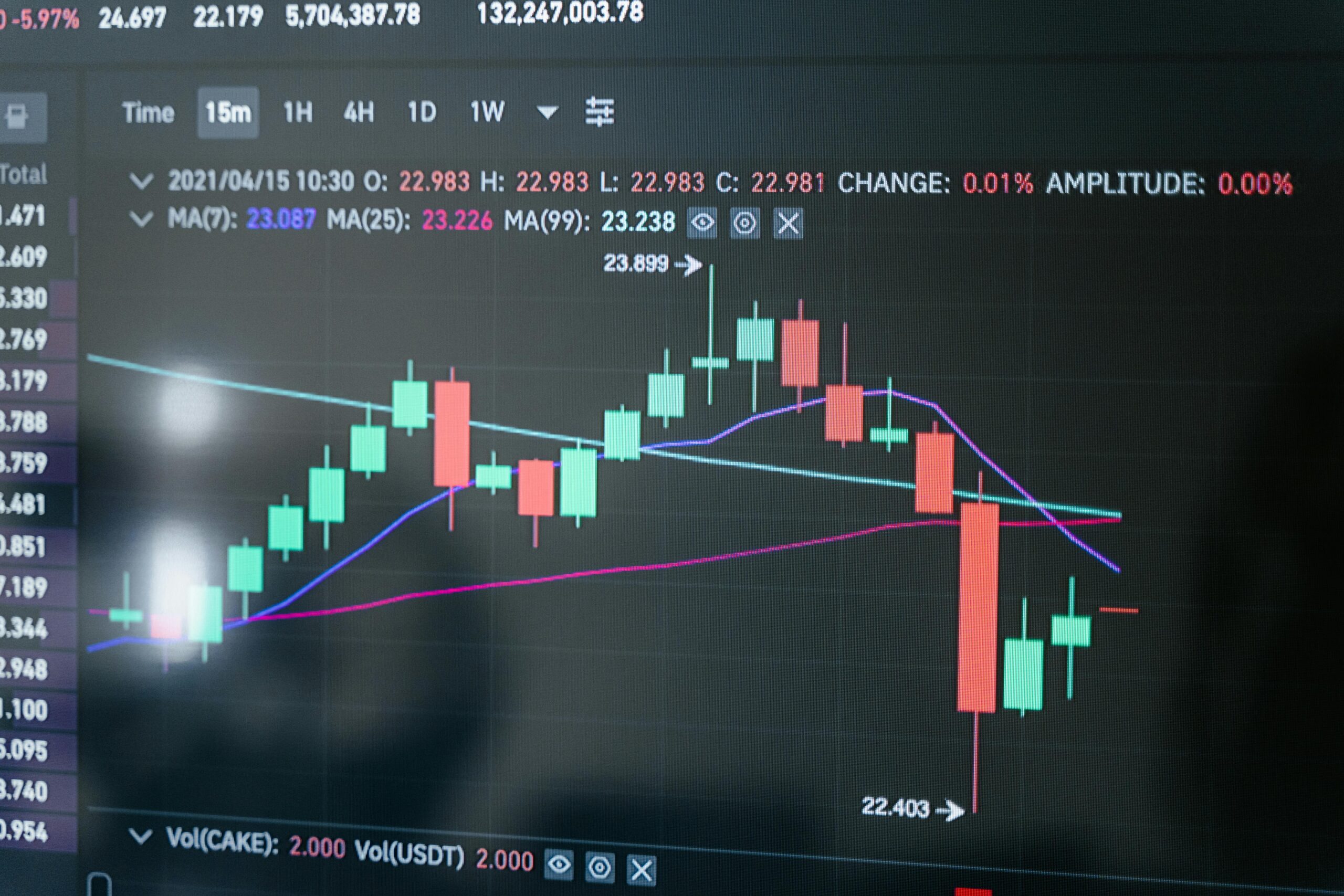
Decentralized Finance has revolutionized how we interact with money, but at what cost to our personal privacy? As blockchain transparency exposes every transaction, protecting your identity becomes critical.

The promise of financial freedom through DeFi comes with an unexpected trade-off: complete transaction visibility. While traditional banking keeps your financial activities private, most blockchain networks display every wallet interaction publicly. This creates significant risks for individuals and businesses seeking to maintain financial confidentiality while participating in this revolutionary ecosystem.
🔐 Understanding the Privacy Paradox in Decentralized Systems
The fundamental architecture of blockchain technology creates an inherent tension between transparency and privacy. Every transaction recorded on public blockchains like Ethereum, Binance Smart Chain, or Polygon remains permanently visible to anyone with internet access. Your wallet address becomes a digital fingerprint, linking all your financial activities together in one traceable chain.
This transparency serves important purposes for network security and verification, but it exposes users to significant privacy risks. Sophisticated observers can analyze on-chain data to identify patterns, estimate wealth holdings, track trading strategies, and potentially connect pseudonymous addresses to real-world identities. For high-net-worth individuals, businesses, or anyone valuing financial privacy, this creates serious concerns.
The privacy paradox becomes particularly acute when you consider that DeFi was partially built on libertarian principles of financial sovereignty and freedom from surveillance. Yet standard DeFi participation often provides less privacy than traditional banking systems, where only the institution sees your complete transaction history.
Why Identity Protection Matters in the DeFi Landscape
Protecting your identity in decentralized finance extends far beyond simple anonymity preferences. Real-world consequences emerge when your financial activities become public knowledge. Competitors can monitor your business strategies, malicious actors can target wealthy wallet holders, and authoritarian governments can track dissidents’ financial activities.
Consider the professional trader whose strategies become public knowledge once competitors analyze their wallet transactions. Or the business accepting cryptocurrency payments that inadvertently reveals revenue figures, supplier relationships, and customer payment patterns. Even ordinary users face risks when their wallet balances become visible to everyone they transact with.
Physical security concerns also emerge when wallet addresses correlate with real identities. Publicized wealth creates kidnapping risks, targeted phishing attacks, and social engineering vulnerabilities. The “$5 wrench attack” – where criminals simply threaten physical harm to extract cryptocurrency – becomes more likely when attackers know who holds valuable assets.
The Regulatory Dimension of DeFi Privacy
Privacy in DeFi exists within an evolving regulatory landscape that varies dramatically across jurisdictions. Some governments view financial privacy as a fundamental right, while others consider it suspicious or potentially criminal. This regulatory uncertainty creates additional reasons why identity shielding matters for law-abiding users.
Compliance requirements increasingly demand Know Your Customer (KYC) procedures at centralized exchange on-ramps, creating permanent links between real identities and blockchain addresses. Once this connection exists, all subsequent on-chain activities become attributable to you, potentially years into the future as blockchain analysis tools become more sophisticated.
🛡️ Privacy-Enhancing Technologies for DeFi Users
Fortunately, the blockchain ecosystem has developed numerous technologies and strategies to help users reclaim privacy while participating in decentralized finance. These solutions range from simple operational security practices to advanced cryptographic protocols.
Privacy-Focused Blockchains and Layer Solutions
Several blockchain networks prioritize privacy by design, using advanced cryptography to shield transaction details. Monero implements ring signatures and stealth addresses to hide sender, receiver, and amount information. Zcash offers optional shielded transactions using zero-knowledge proofs that verify validity without revealing details.
Privacy layers built atop existing blockchains provide another approach. Tornado Cash (before regulatory actions) allowed Ethereum users to break on-chain links between addresses. Secret Network brings programmable privacy to smart contracts, enabling confidential DeFi applications where transaction details remain encrypted.
These technologies demonstrate that privacy and blockchain verification can coexist. Zero-knowledge proofs particularly represent a breakthrough, allowing mathematical verification that something is true without revealing the underlying information – proving you have sufficient funds without disclosing your balance, for example.
Mixing Services and Transaction Obfuscation
Cryptocurrency mixing services pool funds from multiple users and redistribute them to break the traceable link between deposit and withdrawal addresses. While this technique can be effective, it requires trusting the mixer service or using decentralized alternatives built on smart contracts.
Users should understand that mixing services operate in legal gray areas in many jurisdictions. Some governments view their use as inherently suspicious, while others recognize legitimate privacy needs. The regulatory status continues evolving, making this a complex consideration for privacy-conscious users.
Practical Strategies for Shielding Your DeFi Identity
Beyond specialized technologies, implementing basic operational security practices significantly improves privacy protection in decentralized finance activities. These strategies work with existing infrastructure and require no special technical knowledge.
Wallet Segregation and Address Management
Creating separate wallets for different purposes represents the foundational privacy practice. Never use a single address for all activities – this creates a complete map of your financial life. Instead, maintain distinct wallets for different use cases:
- A primary accumulation wallet for long-term holdings, never used for transactions
- Separate transaction wallets for DeFi protocol interactions
- Distinct addresses for different counterparties or services
- Dedicated wallets for testing and experimenting with new protocols
- Burner addresses for one-time transactions requiring minimal exposure
This compartmentalization prevents observers from linking your various activities together. Even if one wallet’s identity becomes compromised, others remain protected. The inconvenience of managing multiple addresses is worthwhile for the privacy protection gained.
Breaking On-Chain Links Between Addresses
When moving funds between your own addresses, avoid direct transfers that create obvious links. Instead, route transactions through intermediary steps that obscure the connection. This might involve converting to privacy-focused assets, using decentralized exchange swaps, or utilizing multiple hops through different protocols.
Timing considerations also matter for privacy. Transactions occurring in quick succession from related addresses create patterns that analysis tools can detect. Introducing random delays between operations makes pattern recognition significantly more difficult for observers attempting to cluster addresses.
📊 Evaluating Privacy Trade-offs in DeFi Protocols
Different DeFi applications offer varying privacy levels based on their architecture and design choices. Understanding these differences helps you make informed decisions about which protocols align with your privacy requirements.
| Protocol Type | Privacy Level | Key Considerations |
|---|---|---|
| Standard DEXs | Low | All trades publicly visible with amounts and assets |
| Lending Platforms | Low | Deposits, borrows, and collateral ratios exposed |
| Privacy DEXs | Medium-High | Trade execution hidden but may require trusted setup |
| Private Transactions | High | Shielded amounts and participants, potential regulatory concerns |
When selecting protocols, consider whether transaction privacy is built into the core architecture or requires additional steps. Native privacy features generally provide stronger protection than privacy added as an afterthought through external services.
The Gas Fee Privacy Leak
An often-overlooked privacy concern involves gas fees paid for transactions. Even with perfect transaction privacy, funding wallets with gas tokens creates traceable links. If you transfer ETH from a KYC exchange to a privacy wallet to pay transaction fees, that connection becomes permanently visible.
Sophisticated users address this by obtaining gas tokens through privacy-preserving methods – mining, peer-to-peer purchases with cash, or specialized services that break funding links. This attention to detail prevents a common privacy failure mode where careful transaction privacy is undermined by obvious gas payment trails.
🌐 The Role of VPNs and Network Privacy
Blockchain privacy extends beyond on-chain transactions to include network-level considerations. Your internet service provider, network administrators, and various intermediaries can observe which blockchain nodes you connect to and potentially correlate this activity with your identity.
Using Virtual Private Networks (VPNs) adds a crucial layer of protection by encrypting your internet traffic and hiding your real IP address. When interacting with DeFi applications, VPN connections prevent observers from linking your geographical location and internet identity to specific wallet addresses.
For maximum privacy, consider using the Tor network, which routes connections through multiple encrypted relays, making traffic analysis extremely difficult. Some blockchain wallets include built-in Tor support, while others require manual configuration. The performance trade-off – slightly slower connections – is worthwhile for users with serious privacy requirements.
Advanced Privacy: Zero-Knowledge Proofs in DeFi
Zero-knowledge proof technology represents the cutting edge of privacy innovation in decentralized finance. This cryptographic technique allows verification of information without revealing the information itself – a seemingly paradoxical capability with profound implications.
ZK-rollups, for example, bundle multiple transactions together and generate a cryptographic proof that all transactions are valid without revealing individual transaction details. This approach simultaneously improves scalability and enhances privacy, demonstrating that these goals need not conflict.
Emerging DeFi protocols built on zero-knowledge foundations enable previously impossible use cases: proving creditworthiness without disclosing income or assets, demonstrating compliance without revealing transaction details, or verifying identity attributes without exposing actual identity. These capabilities will define next-generation privacy-preserving financial systems.
🔍 Operational Security Beyond Technology
Technology alone cannot guarantee privacy protection. Human factors and operational security practices play equally critical roles in maintaining anonymity within DeFi systems. Even the most sophisticated privacy technology fails when users inadvertently leak identifying information through careless practices.
Social Media and Public Disclosure Risks
Many privacy breaches occur through voluntary disclosure rather than technical compromise. Enthusiastic DeFi participants often share wallet addresses on social media, discuss holdings in public forums, or post transaction screenshots without redacting identifying information. Each disclosure creates a potential link between pseudonymous addresses and real identities.
Maintain strict separation between your public online presence and DeFi activities. Never post wallet addresses, transaction hashes, or screenshots that could reveal addresses. Be cautious about discussing specific positions or timing, as this information helps adversaries narrow down which on-chain activities belong to you.
The Metadata Problem
Metadata – information about information – often reveals more than users realize. The timing of your transactions, the specific protocols you interact with, and the patterns in your activity create a unique fingerprint even when individual transactions remain private. Browser fingerprinting, device identifiers, and network timing analysis all generate metadata that sophisticated adversaries can exploit.
Mitigating metadata leakage requires comprehensive operational security: using privacy-focused browsers, regularly clearing cookies and cache, avoiding reused devices for sensitive activities, and maintaining awareness that your digital habits create patterns observers can analyze.
Balancing Privacy with Compliance Requirements
The increasing regulatory attention on cryptocurrency and DeFi creates tension between privacy desires and legal compliance obligations. Responsible users must navigate this landscape carefully, protecting privacy while meeting legitimate regulatory requirements in their jurisdictions.
Many jurisdictions require reporting of cryptocurrency holdings or transactions above certain thresholds. Privacy practices should not facilitate tax evasion or regulatory violation, but rather protect unnecessary exposure of financial details to criminals, competitors, and unauthorized observers.
Selective disclosure represents a middle path: maintaining detailed private records of all transactions for compliance purposes while limiting public exposure through on-chain privacy techniques. This approach satisfies legal obligations without broadcasting your financial activities to the entire world.
🚀 The Future of Privacy in Decentralized Finance
Privacy technology continues advancing rapidly, with promising developments that will reshape how we think about confidentiality in blockchain systems. Programmable privacy, where users can selectively reveal specific information to chosen parties while keeping other details confidential, represents the next frontier.
Regulatory frameworks are simultaneously evolving, with some jurisdictions recognizing financial privacy as legitimate while others impose restrictions. This regulatory evolution will significantly influence which privacy technologies achieve mainstream adoption versus remaining niche tools for privacy advocates.
The integration of decentralized identity systems with privacy preservation may resolve current tensions, enabling users to prove relevant attributes (age, jurisdiction, non-sanctioned status) without revealing complete identity. Such systems could satisfy regulatory requirements while preserving the privacy that makes financial sovereignty meaningful.

Taking Control of Your Financial Privacy Today
Implementing comprehensive privacy protection in DeFi requires commitment and ongoing attention, but the benefits justify this investment. Start with fundamental practices like wallet segregation and operational security before progressing to advanced techniques like zero-knowledge protocols or privacy-focused blockchains.
Privacy is not binary but rather a spectrum where you balance convenience, costs, and protection levels based on your specific threat model and requirements. A casual DeFi user faces different risks than a high-net-worth individual or business entity, warranting proportionate privacy measures.
The pseudonymous nature of blockchain addresses provides baseline privacy that you can significantly enhance through deliberate practices. Every step toward better privacy protection reduces your exposure to financial surveillance, competitive intelligence gathering, and targeted attacks. In an increasingly transparent digital world, financial privacy represents a form of power worth protecting.
Remember that privacy is an ongoing practice rather than a one-time setup. Regularly review your operational security, stay informed about new privacy technologies and threats, and maintain vigilance about potential information leaks. Your financial sovereignty depends on your ability to control who knows what about your economic activities – make privacy protection a core element of your DeFi participation strategy. 🛡️